Herb Walk: Stinging Nettle

  This week let’s take an herb walk at Many Hands House, shall we?

Today we’ll take a look at Stinging Nettle, my Spinster Sister.
When she is young, and the leaves are tender, she looks like this:

When she is bigger and tougher, she looks like this:
In full flower she looks like this:

And after you’ve picked her with your bare hands for a while, they will look like this!:

Stinging nettle is rich in pagan folklore. In Norse mythology Thor the God of Thunder is often represented by nettles, and burning them on the fire will protect you from his lightening during thunderstorms. Also in Norse mythology Loki, the trickster God, spun fishing nets out of nettles. Actually a very good string can be made out of nettle fibers, and it was widely used in the ancient world. It was especially used for making “nets”.
  In “The Wild Swans” by Hans Christian Anderson, the princess Elissa is guided by the queen of the fairies to gather nettles from graveyards without uttering a word. As she gathers them, she has to tread them with her bare feet; she then knits the nettles up into coats that will rescue her brothers from the swan form bestowed upon them by an evil queen.
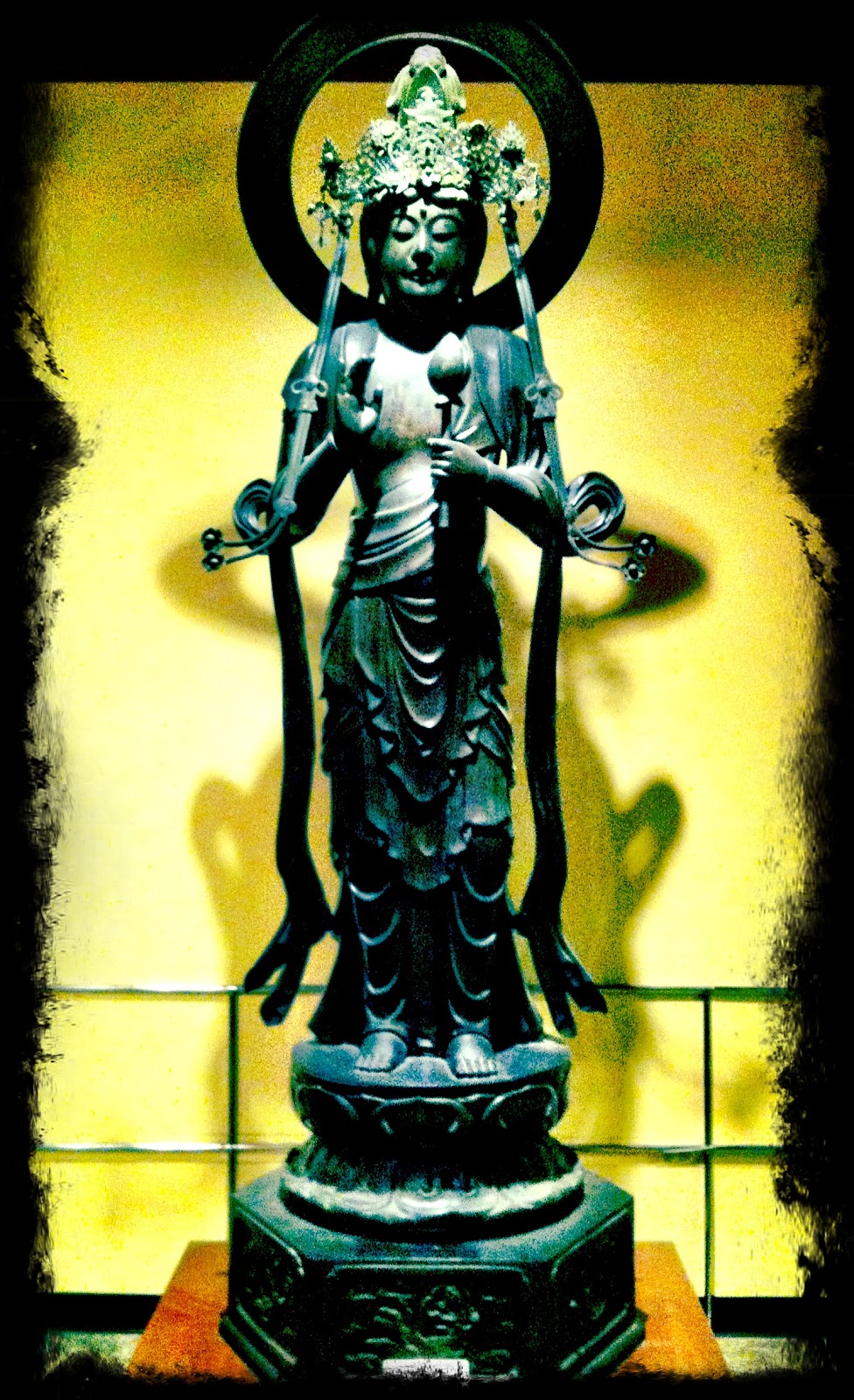
  The Buddhist saint and yogi, Milarepa, is said to have eaten nothing but nettles and to have turned green as a result; hence, many of his images are constructed from green jade.

Stinging nettle is a nutritive herb, meaning, well, it’s all around good for you! Use the young leaves for tea and in salads. Midwives recommend a tea made from nettle leaf, oatstraw and raspberry leaves for their pregnant friends. Nettle root is a hair and scalp tonic. It supports your thyroid and your urinary tract. Nettle is high in vitamin A, B, C, K, calcium, potassium, iron and many trace minerals.
  Yesterday I gathered up young nettle leaves to try making into juice! I ran a large unrinsed bowl of leaves through the juicer and only got a shot glass worth! It smelled so green! And looked so green! 
But the taste was, well, overwhelming.  Like a glass full of sting.

Next time I’ll stick to tea.
Here’s Susun showing you how to make it:

Have you found nettle in your yard? What’s your favorite nettle recipe?

The Three Traditions of Healing

   A few days ago, Susun S. Weed offered a free teleconference. I listened in, and was reminded of how much of an inspiration she has been to me. And I realized how in the past few years I have moved away from her philosophy. So I found my old copy of Healing Wise, gifted to me nearly 20 years ago by my mentors Pearl and Joann, and started to (re)read.

Healing Wise categorizes healing into three traditions:

1. The Wise Woman Tradition

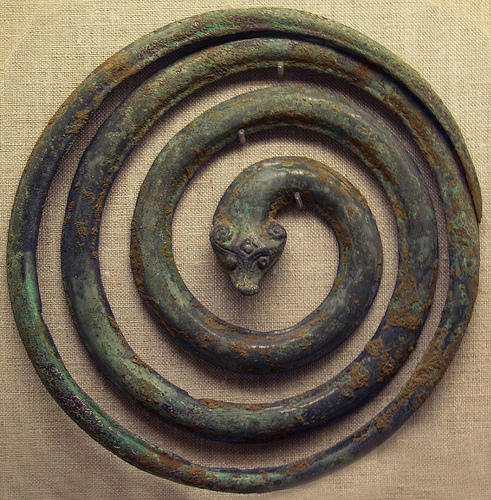
 The symbol of the wise woman tradition is the spiral. It is invisible, heals with nourishment, believes in the Goddess and blood mysteries, is heart centered and unique. The Wise Woman tradition is the tradition of Mothers. It says “Trust Yourself”.


2. The Heroic Tradition

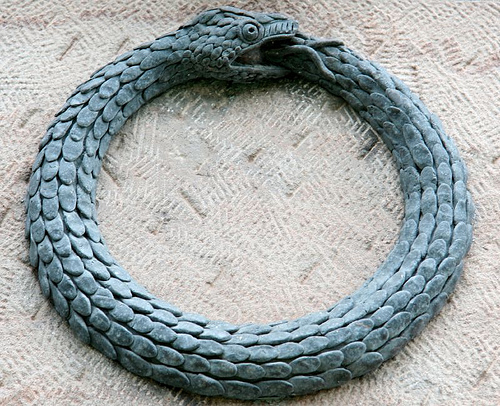
The symbol of the heroic tradition is a circle. It has rules and punishments. It uses purging and cleansing. It is foreign and exotic. Alternative health care practitioners usually think in the Heroic tradition: the way of the savior, a circular path of rules, punishment, and purification. “Trust me”.

3. The Scientific Tradition

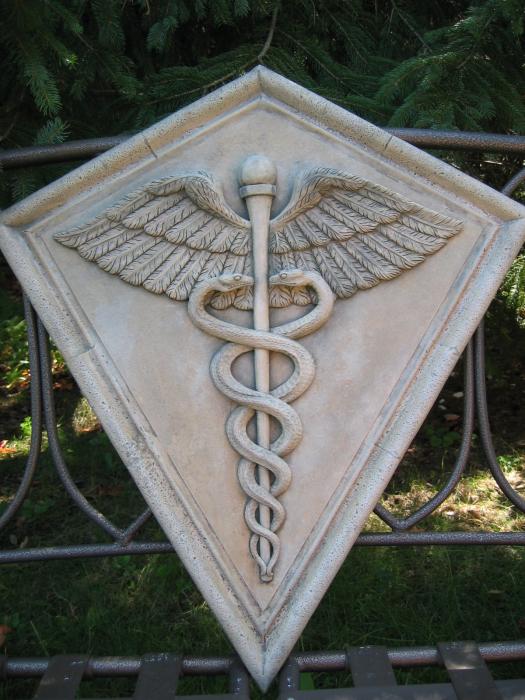
The symbol of the scientific tradition is the straight line. AMA-approved, legal, covered-by-insurance health care practitioners are trained to think in the Scientific tradition: walking the knife edge of keen intellect, the straight line of analytical thought, measuring and repeating. Excellent for fixing broken things. “Trust my machine”.

  The Scientific, Heroic, and Wise Woman traditions are ways of thinking, not ways of acting. Any practice, any technique, any substance can be used by a practitioner/helper in any of the three traditions. There are, for instance, herbalists and midwives and MDs in each tradition.
  The practitioner and the practice are different. The same techniques, the same herbs are seen and used differently by a person thinking in Scientific, Heroic, or Wise Woman ways. Thinking these ways does lead to a preference for certain cures. The Wise Woman helper frequently nourishes with herbs and words. The Heroic savior lays down the law to clean up your act fast. The Scientific technician is most at ease with laboratory tests and repeatable, predictable, reliable drugs. But still, the practices do not conclusively identify the practitioner as being in a particular tradition. The intent, the thought behind the technique points to the tradition: scientific fixing, heroic elimination, or wise womanly digestion and integration.
   The three traditions are not limited to the realm of healing. The Scientific, Heroic, and Wise Woman ways of thinking are found in politics, legal systems, religions, psychologies, teaching styles, economics. As the Wise Woman way becomes more clearly identified, it opens the way to an integrated, whole, sacred, peaceful global village, interactive with Gaia, mother, earth. As each discipline spins anew its wise woman thread, we reweave the web of interconnectedness with all beings.
   I became a midwife and mother in the wise woman tradition. And then through life experience and fear was led to heroic and scientific traditions. And now I am spiraling back. So this morning I applied to Susun S. Weed’s correspondence course. Which one is right for me?

And here is Susun explaining it:

She blows this interviewers heroic mind, don’t you think?

What healing methods do you use? What tradition do they belong to?

Long Live the Queen


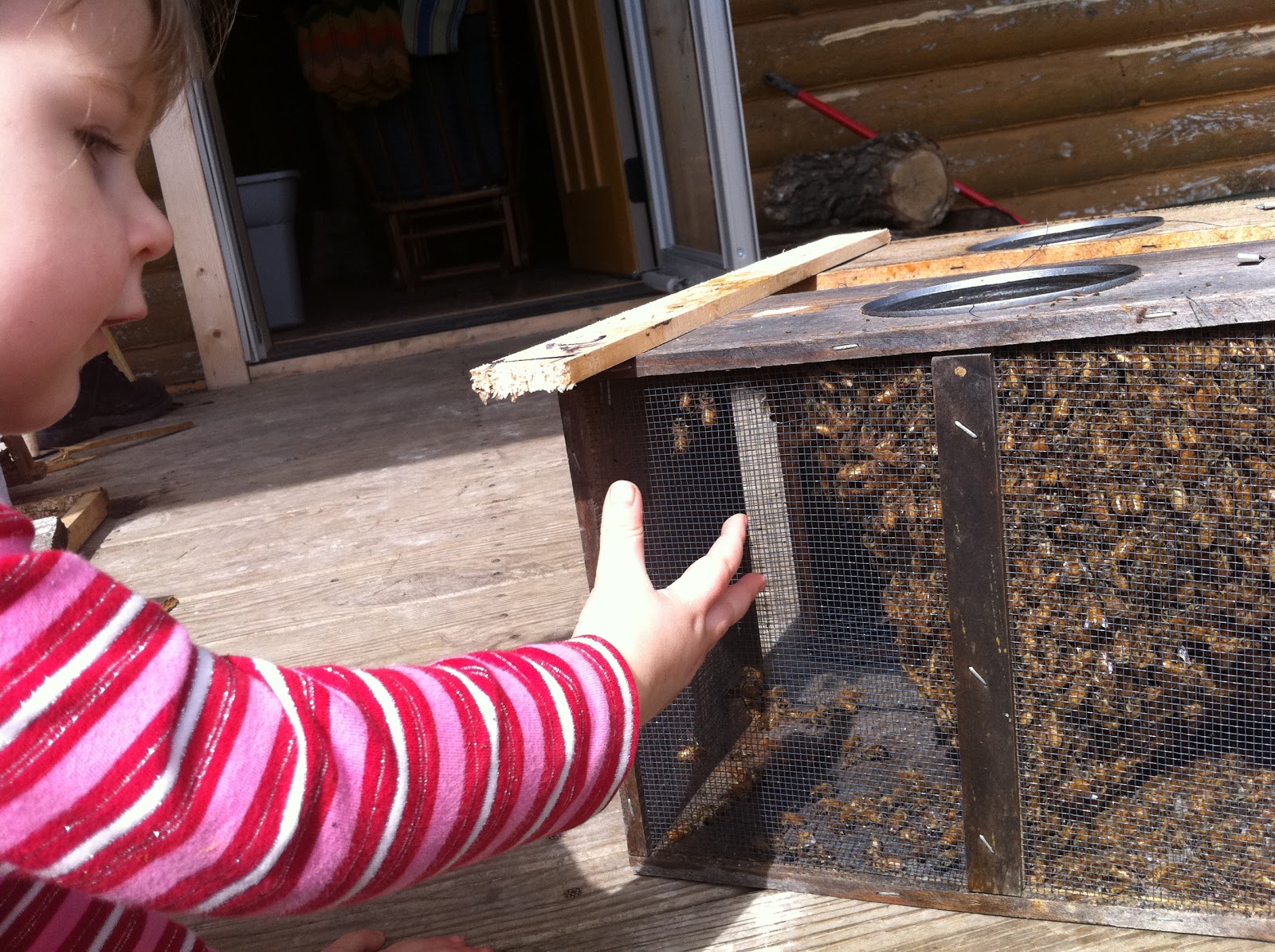
  Last week, during Screen-Free Week, we went to Des Moines to pick up our two new hives of bees.  We struggled up the muddy driveway, the rain pouring in sheets on the windshield.  We had arrived at Ebert’s farm.

      Almost immediately, we had identified the other eccentric clients, waiting for hives themselves, as witches.  They may not have called themselves that, but they obviously served as the “hedge riders” in their respective communities.

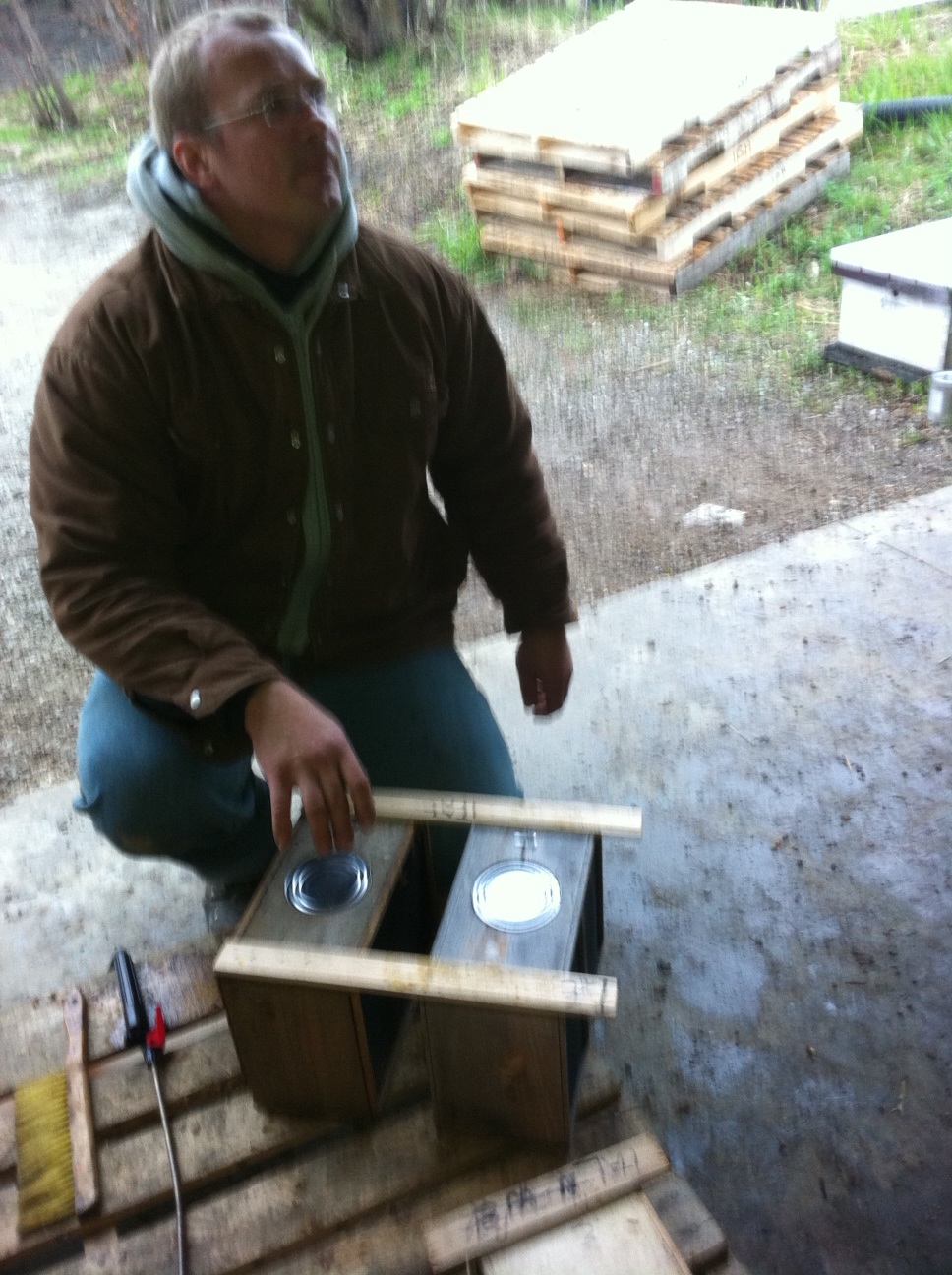
You can’t see it, but this man is covered in bees and having a calm conversation.

   Getting the bees settled in their hives was touch-and-go for a while.

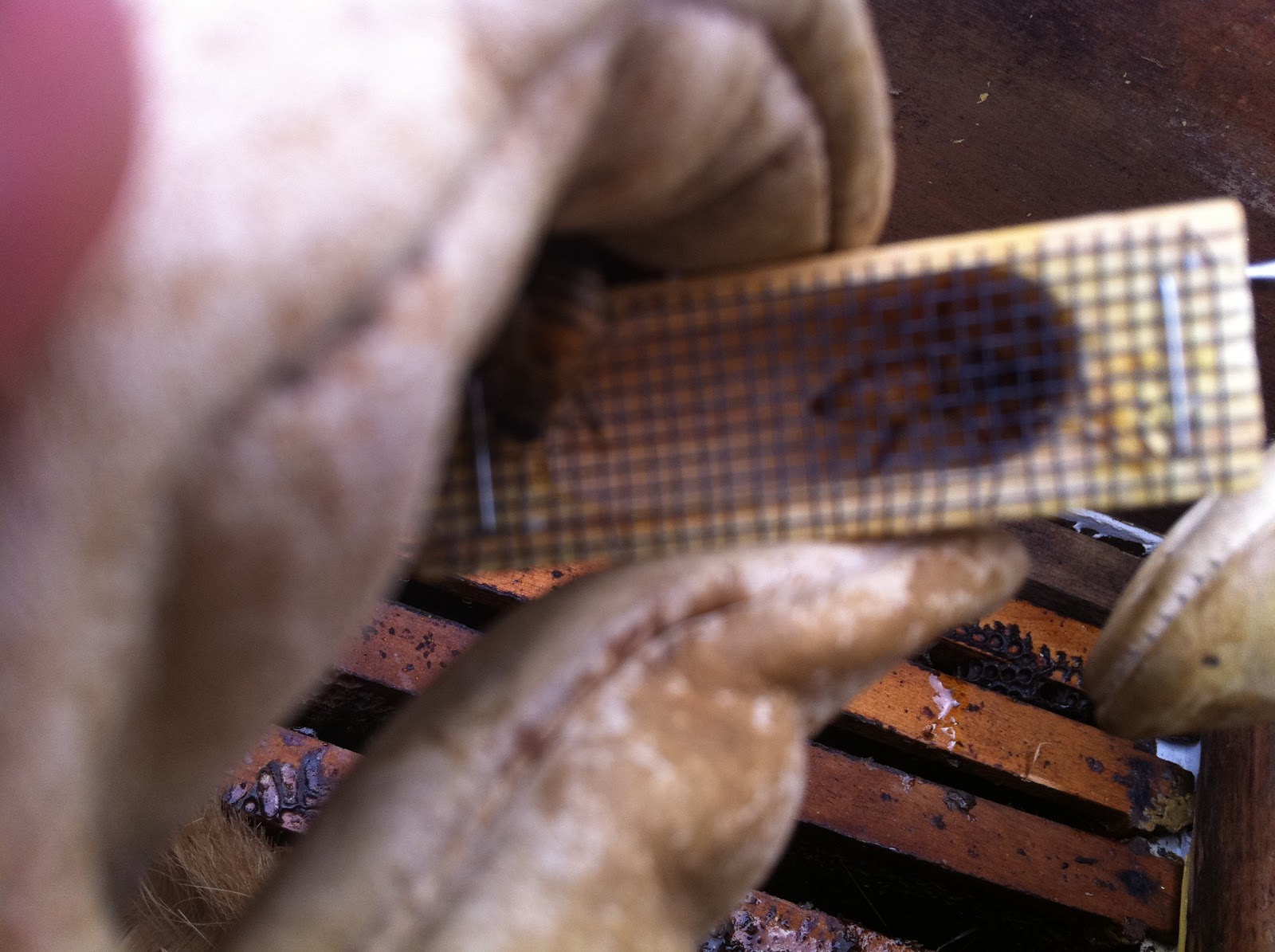
  A few hours after we had installed the bees, Melanie saw a ball of bees on the ground, about four feet away from the hives.  Upon further inspection, she discovered a queen in the middle of it.  But, which hive was she from?!  We reopened both hives, and Hive 1 was queen-right.  We knew, because the queen was still in her tiny mesh box.

  
  We improvised a new queen container (we couldn’t get her in the old one) from a small glass jar, and some mini-marshmallows, and put her and two attendants back in Hive 2. (The one the queen had been “dropped” in in the video.)  Fingers crossed.

But, the next week, things had seemed to have been going quite smoothly. Today was the best day of all, since we saw the bees really getting down to business:

Chris gave his usual lament: that their should have been songs to be sung, and rites to enact at this holy time.  He then remembered that there was an Anglo-Saxon metric charm still known to us from the ancestors:

 Sitte ge, sigewif, sigað to eorþan!
Næfre ge wilde to wuda fleogan.
Beo ge swa gemindige mines godes,
swa bið manna gehwilc metes and eþeles.
Alight, victorious women, descend to earth!
Never fly wild to the wood.
Be as mindful of my good
As every man is of food and home.


Silk Dying Tutorial

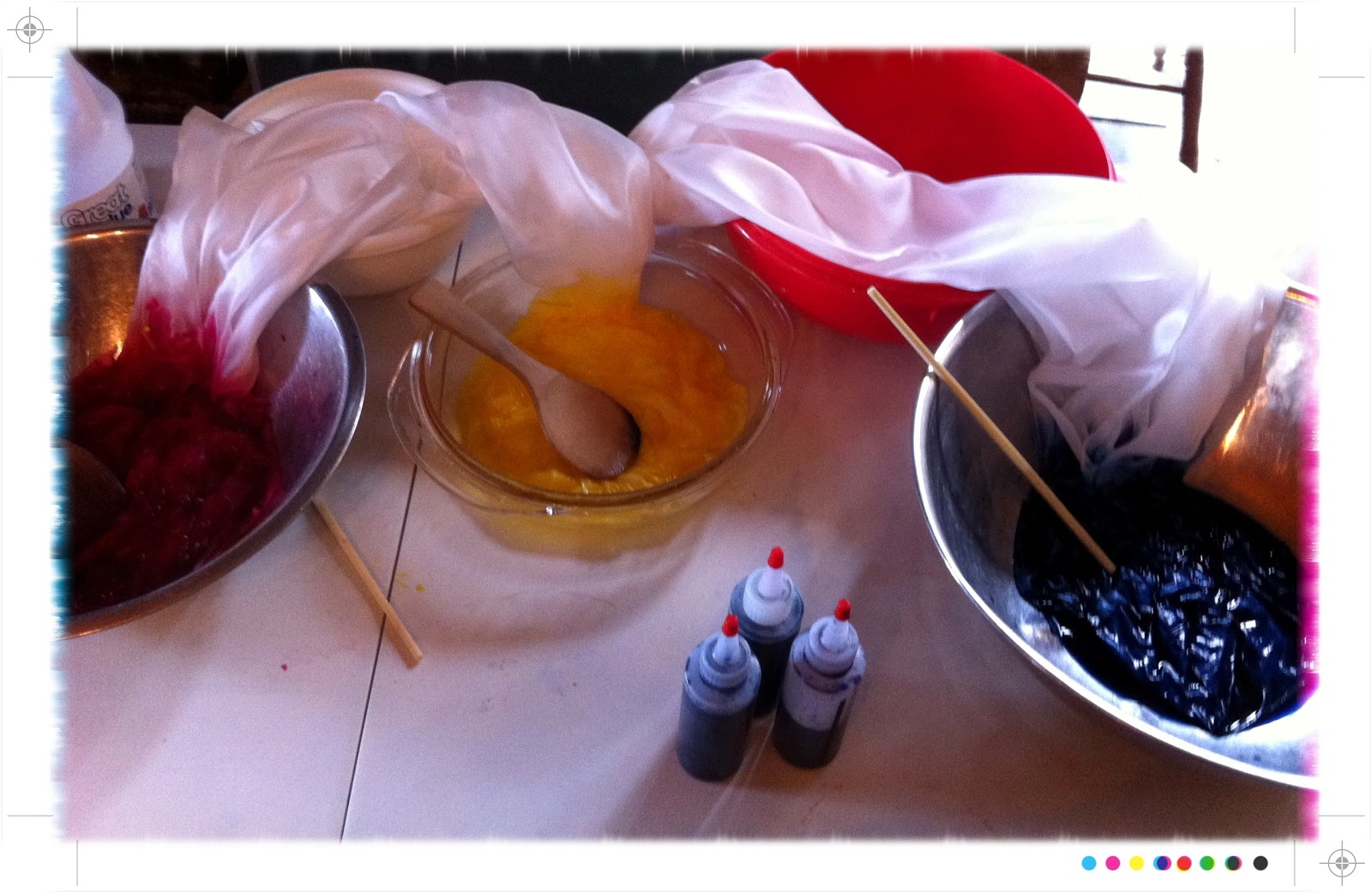
  This week my family hosted a Waldorf inspired silk dying day. We used Kool Aid to dye the silk. It was really fun and worked surprisingly well!
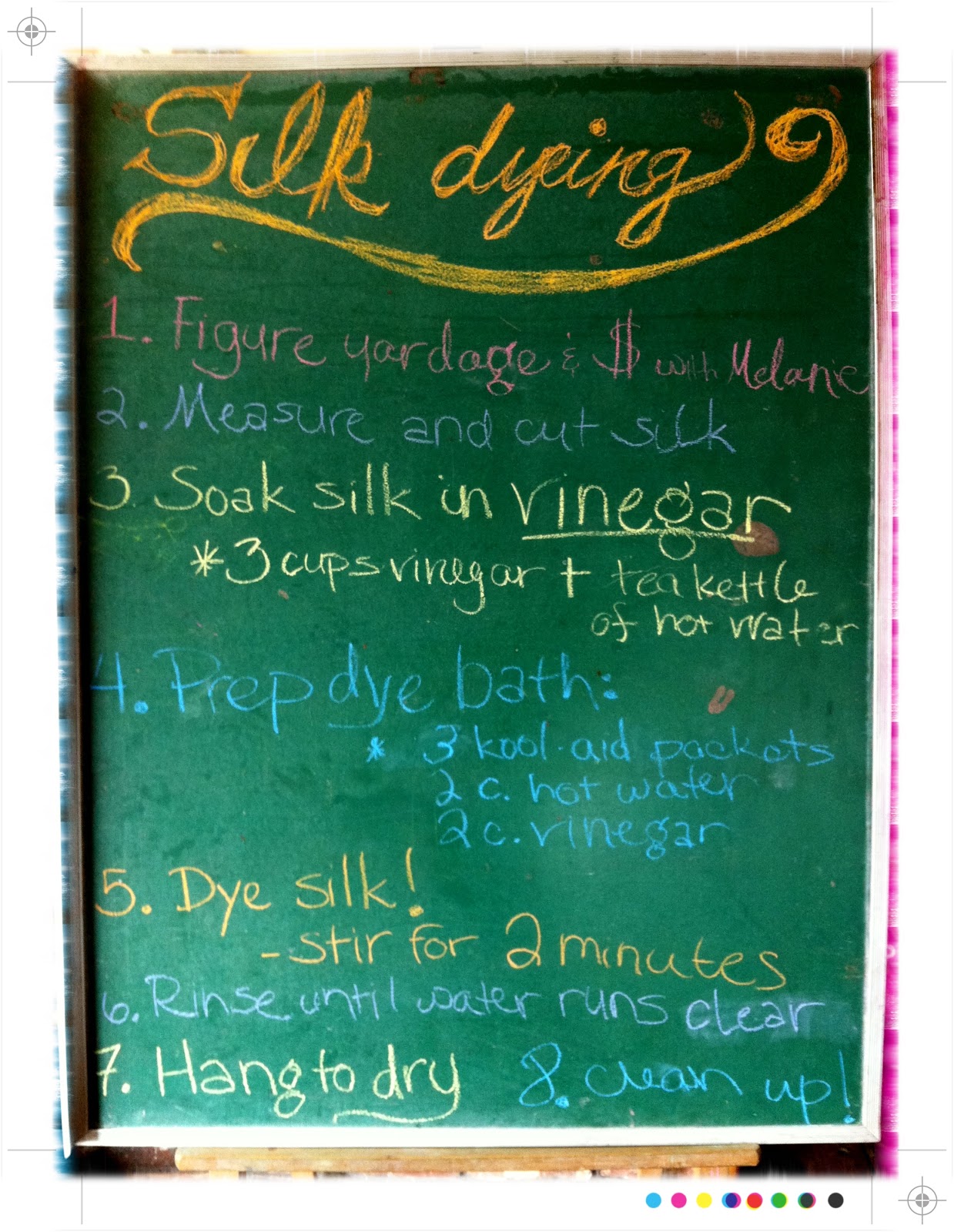
 Here’s how to do it:

We ordered bolts of silk from Dharma Trading Co.
First, soak your silk in equal parts hot water and white vinegar.

While it is soaking, prepare your dye bath:
3 Kool Aid packets
2 cups hot water
2 cups vinegar

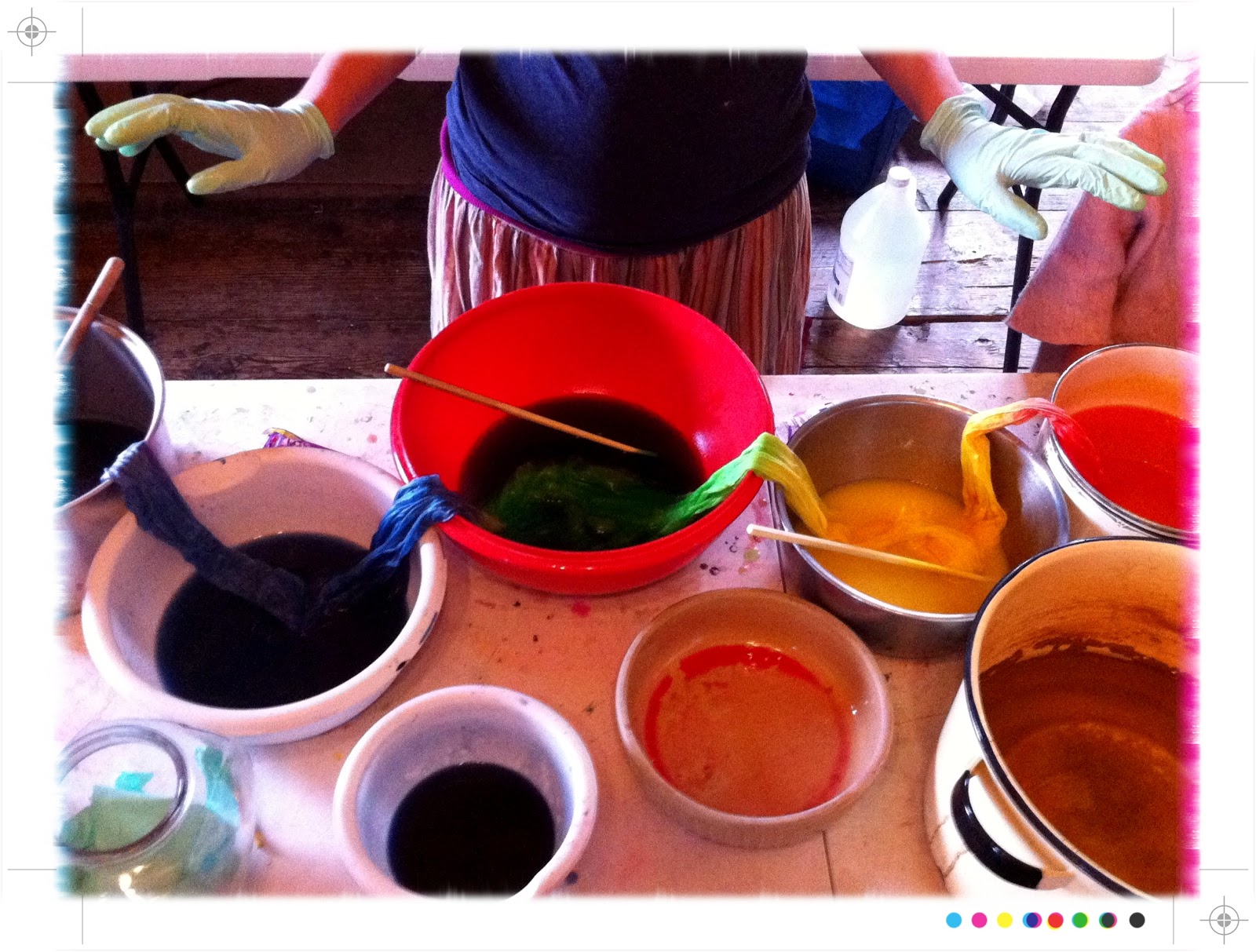
The kool-aids we used were cherry, grape, orange, lemonade, lemon – lime, and blue raspberry.

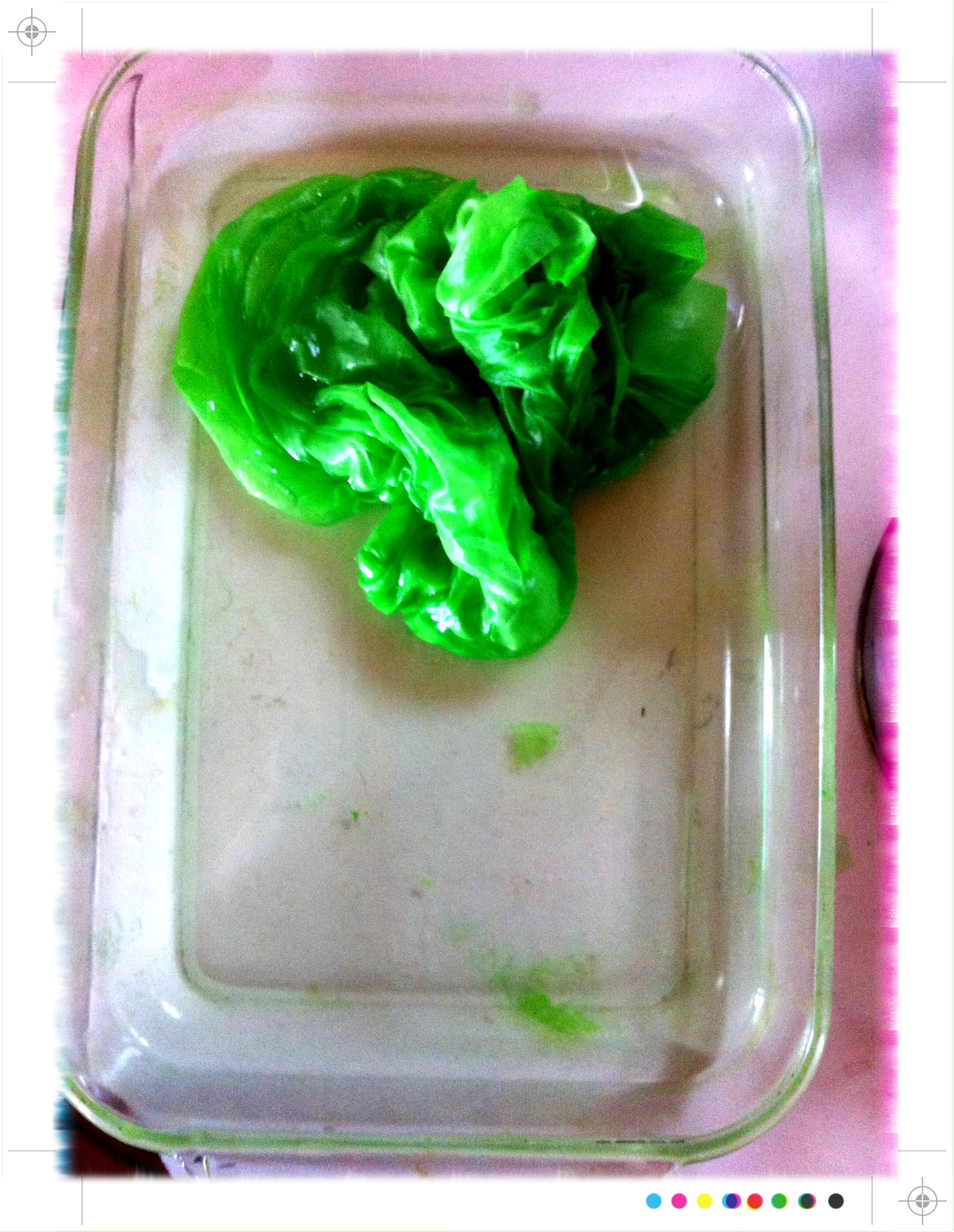
Put your silk in the dye bath and stir for two minutes. You might want to wear gloves and aprons. It’s really cool to watch the silk absorb the color and the water turn clear.

Rinse the silk in cool water until the water runs clear.

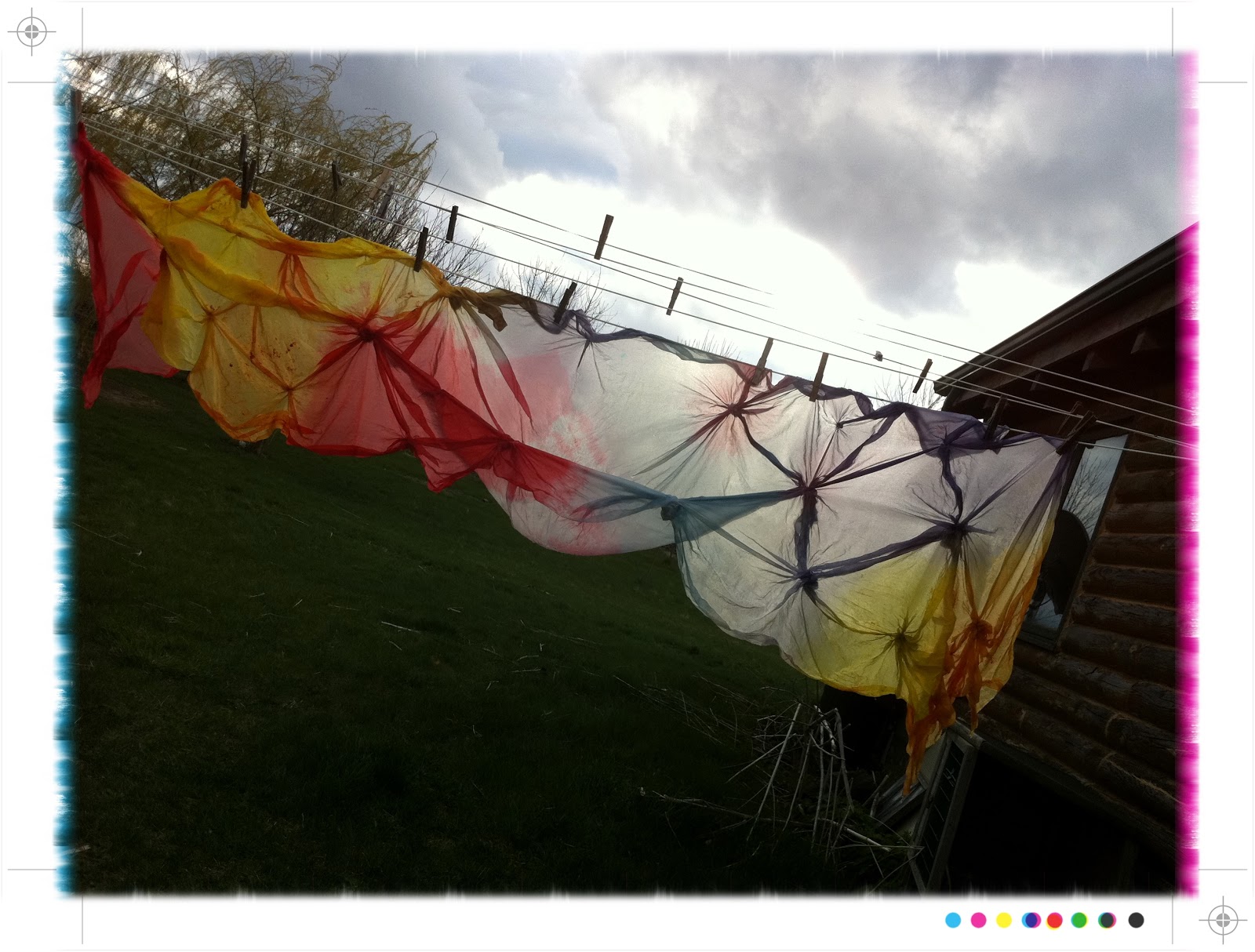
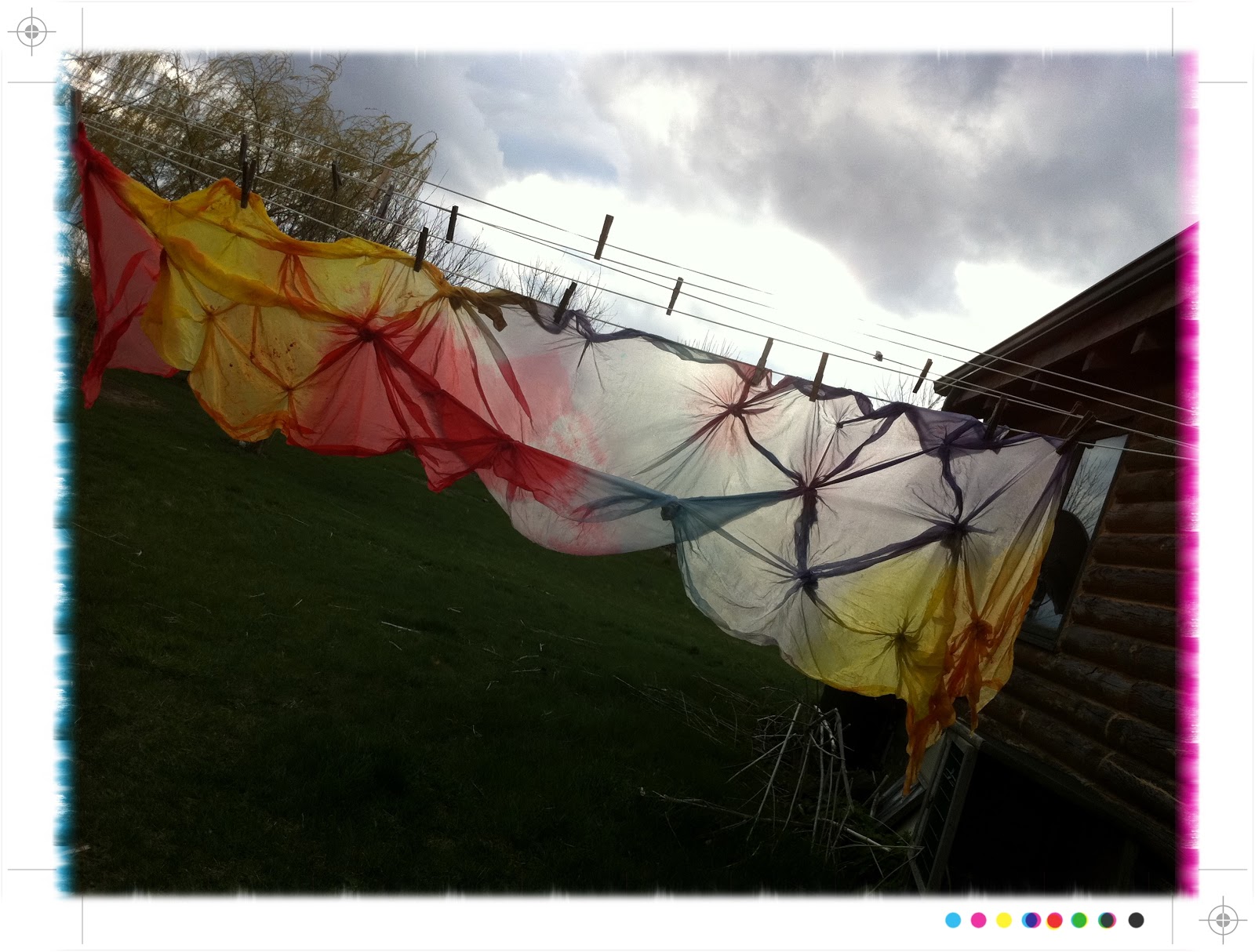
Hang your silk to dry.

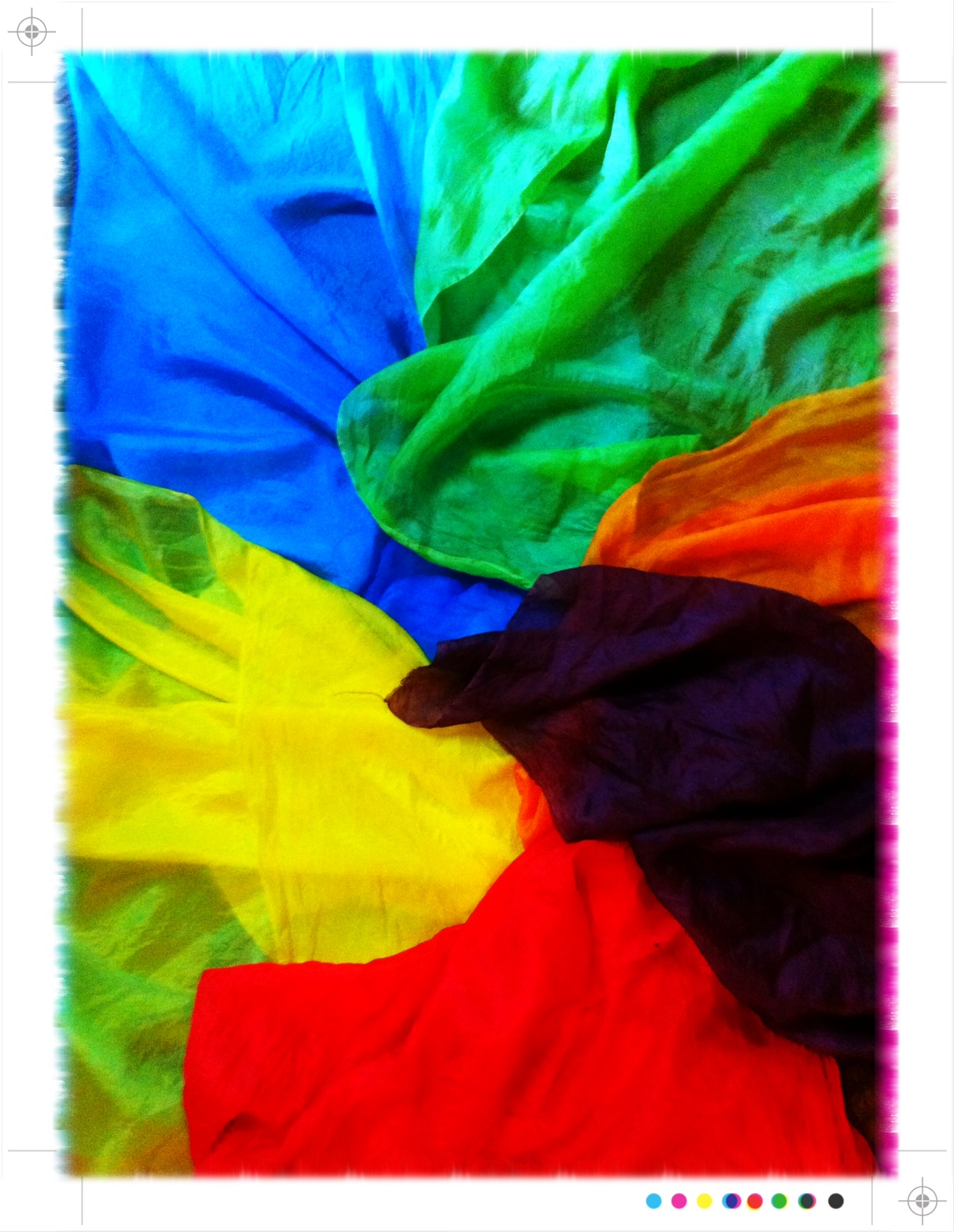
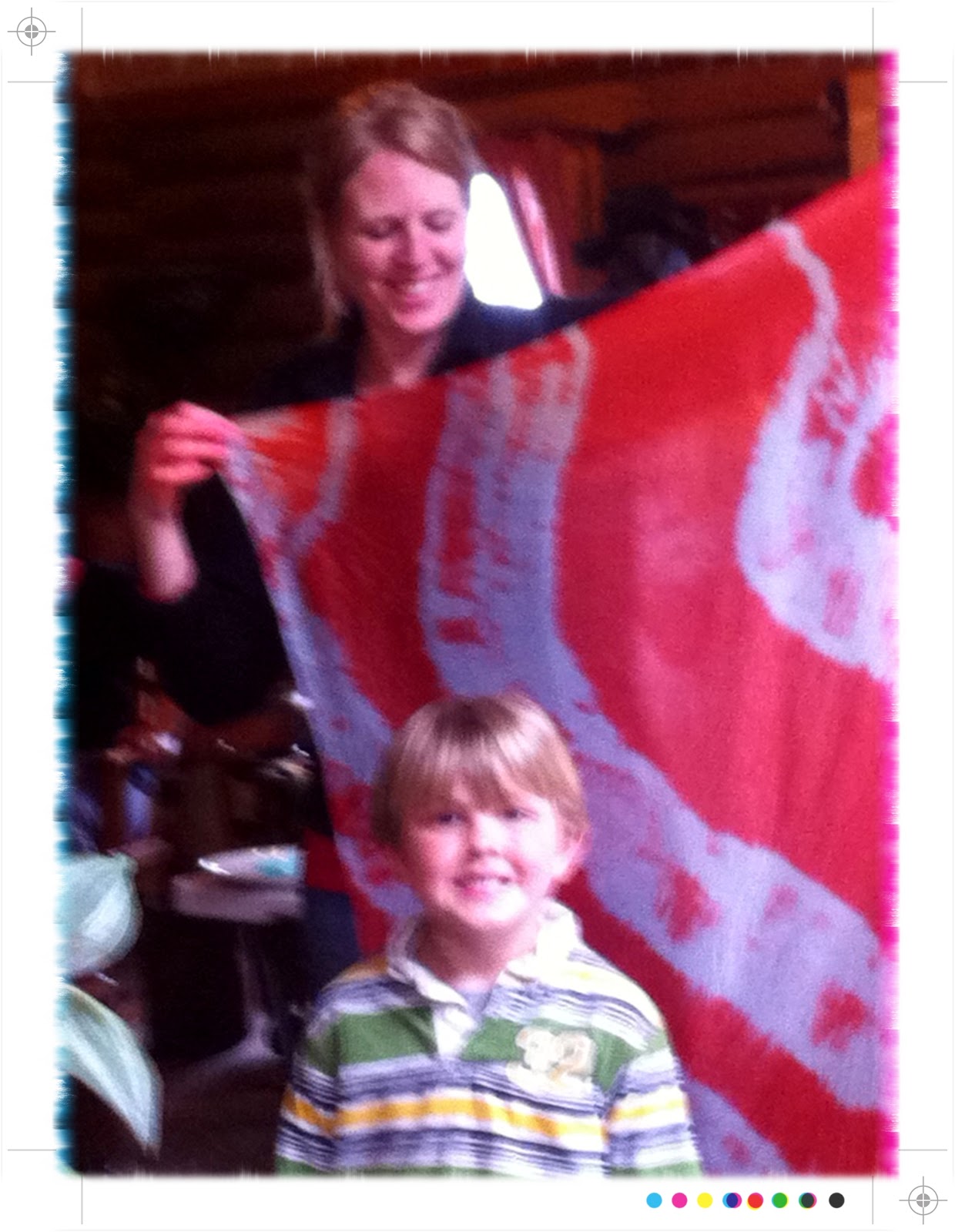
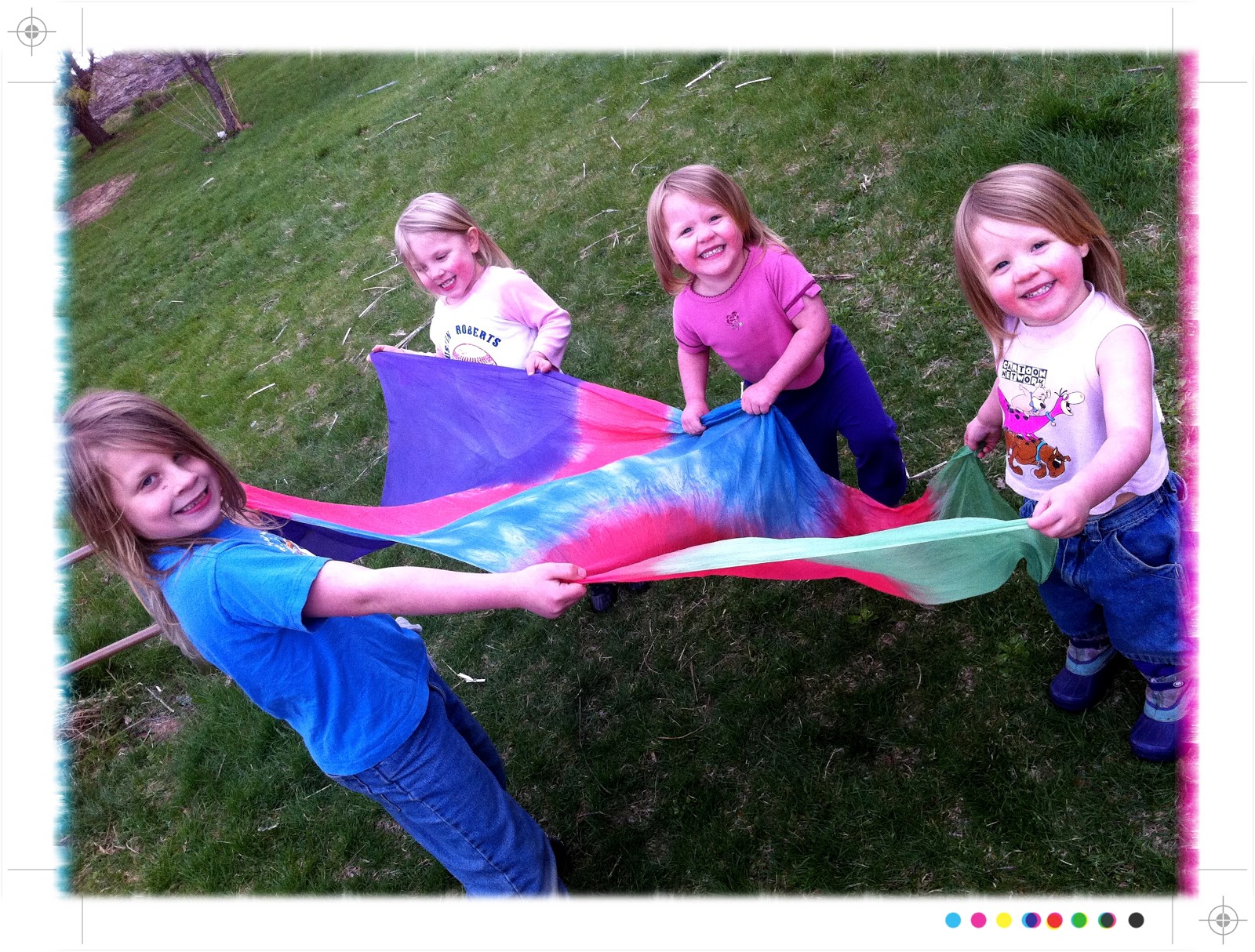
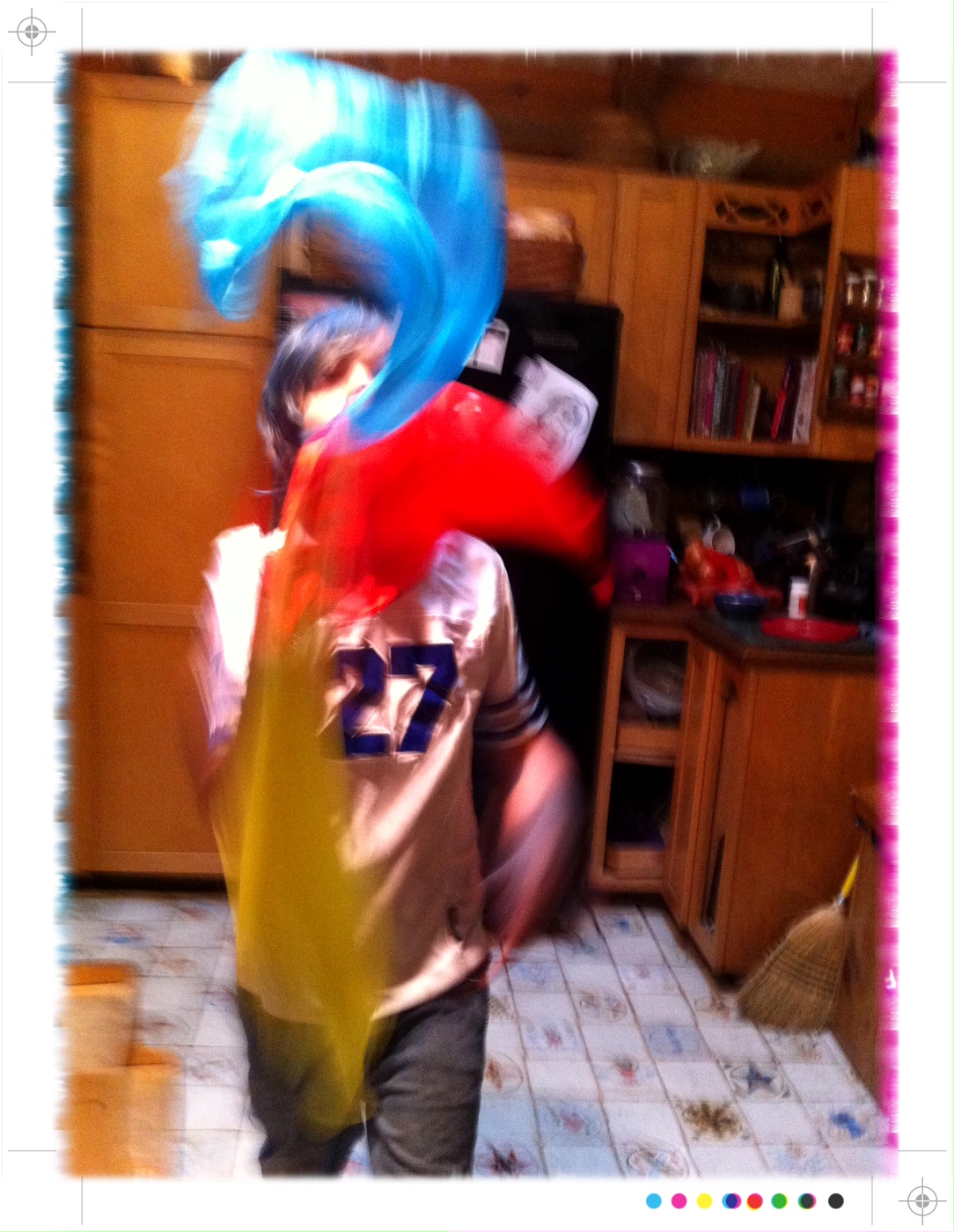
We got very creative making rainbow play cloths.

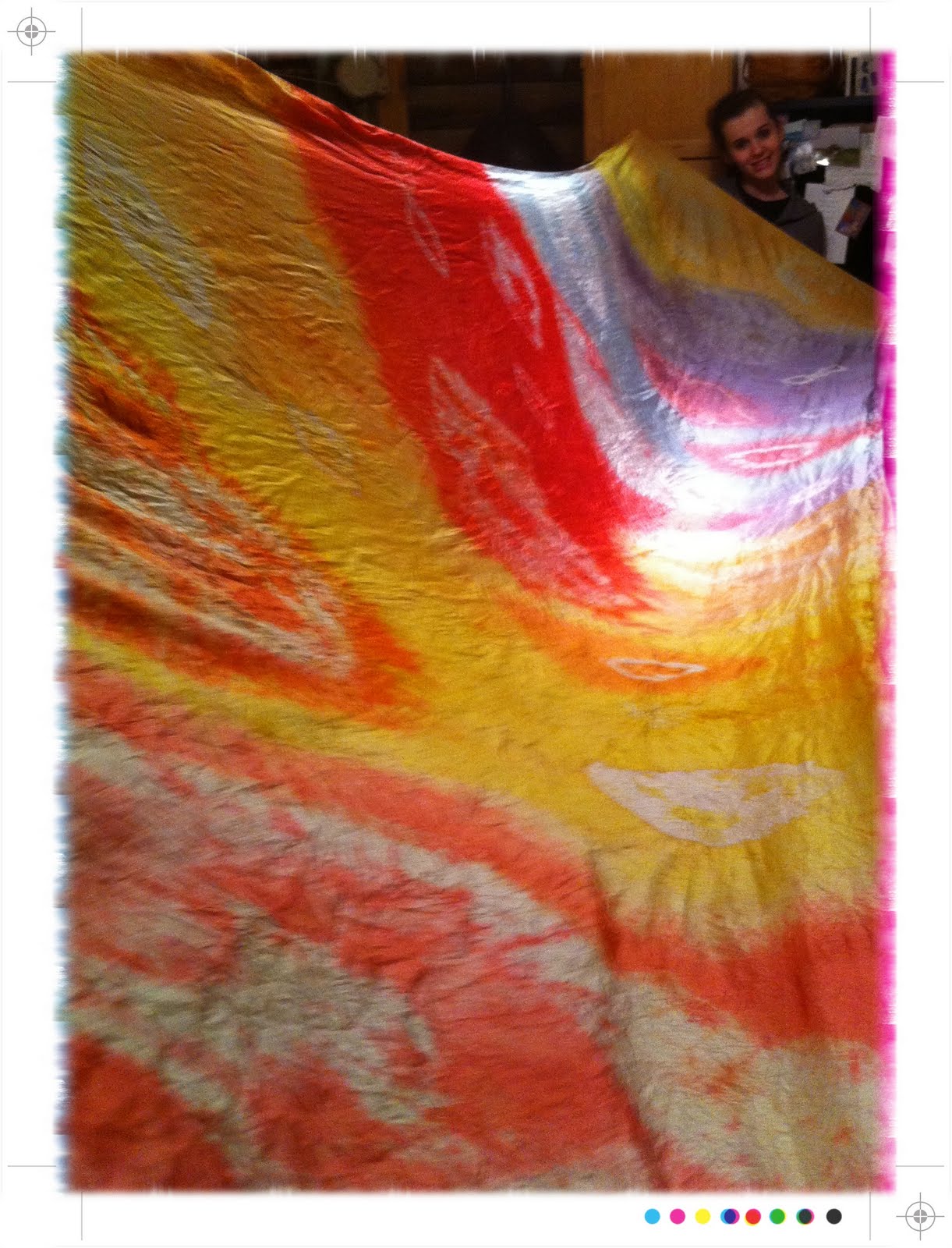
And tie dyes.

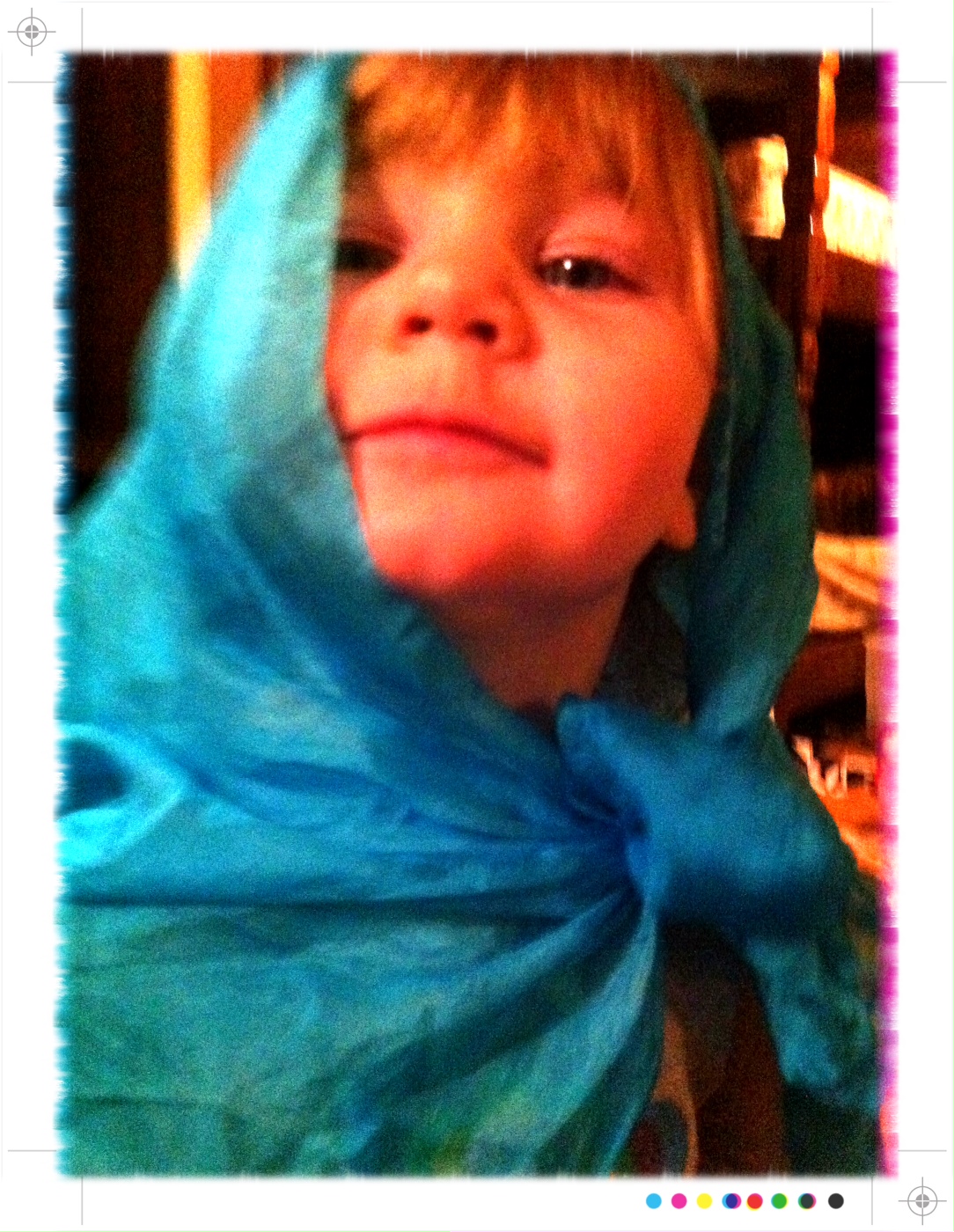
And bellydance veils.

My boys made juggling cloths.

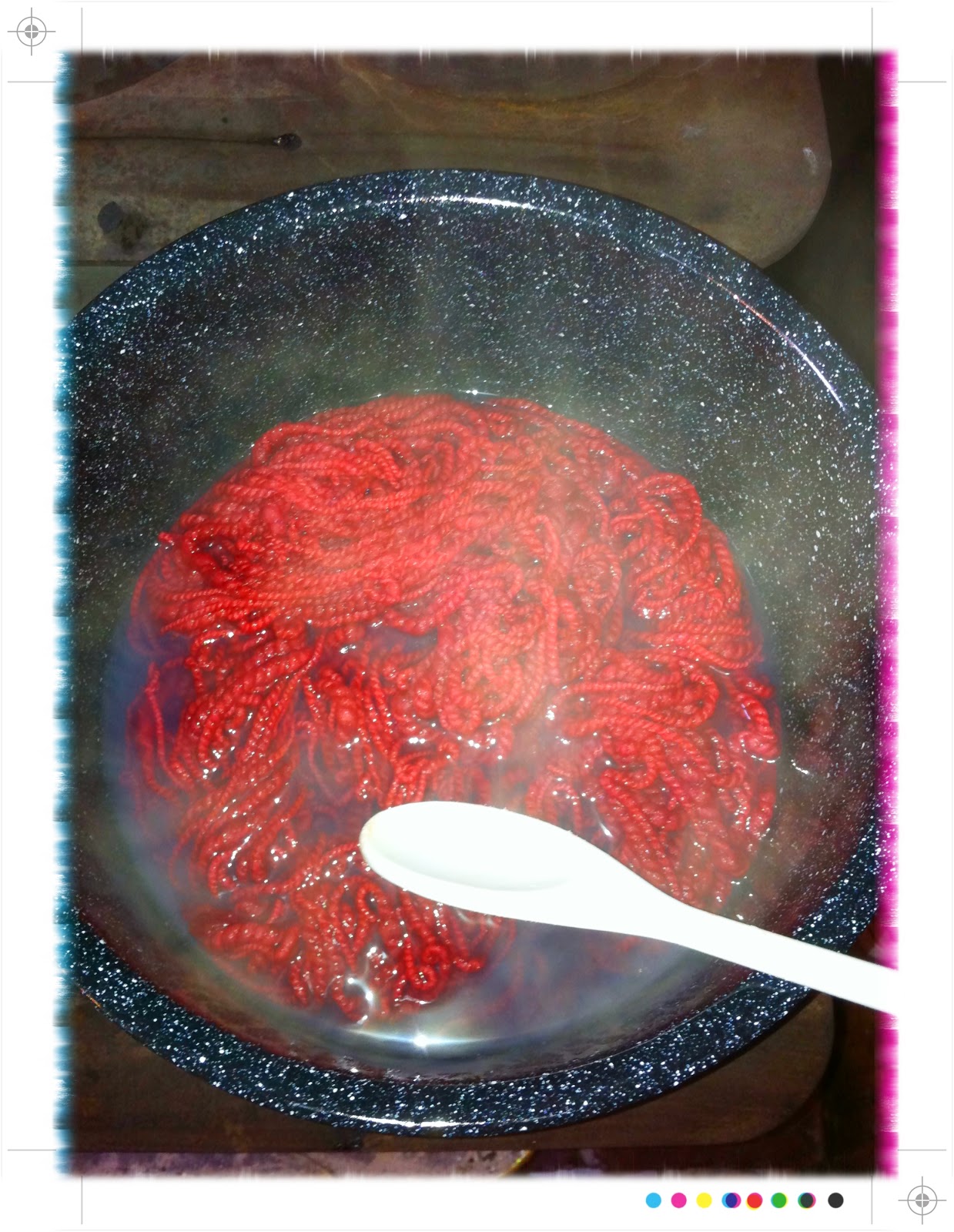
Some folks dyed yarn.

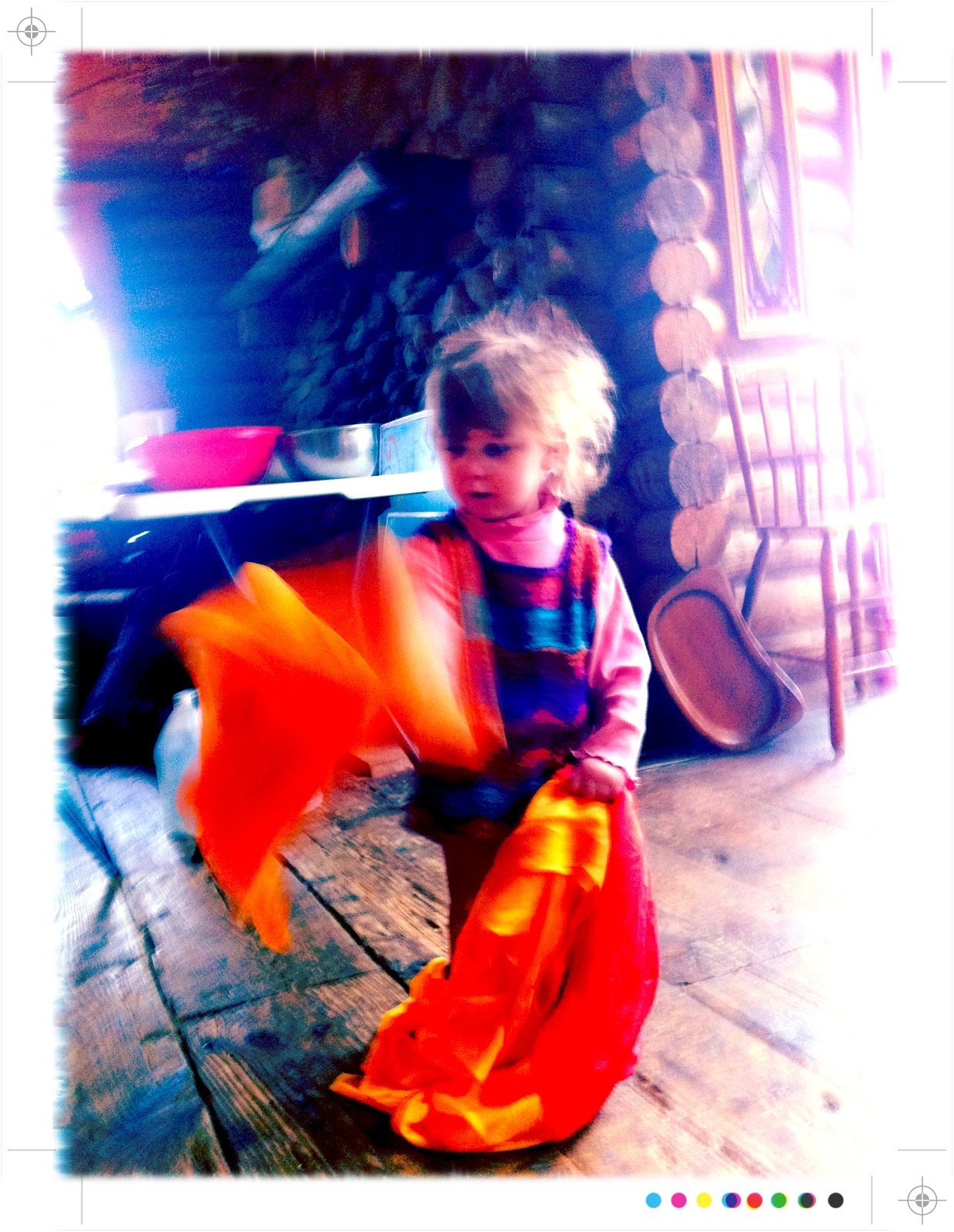
It’s beautiful to watch my fairy girl dancing with her silks.
These sites were inspirational:
And now I want to make these butterfly wings:

Screen Free Week Highlights

 What did Many Hands House do during Screen Free Week?

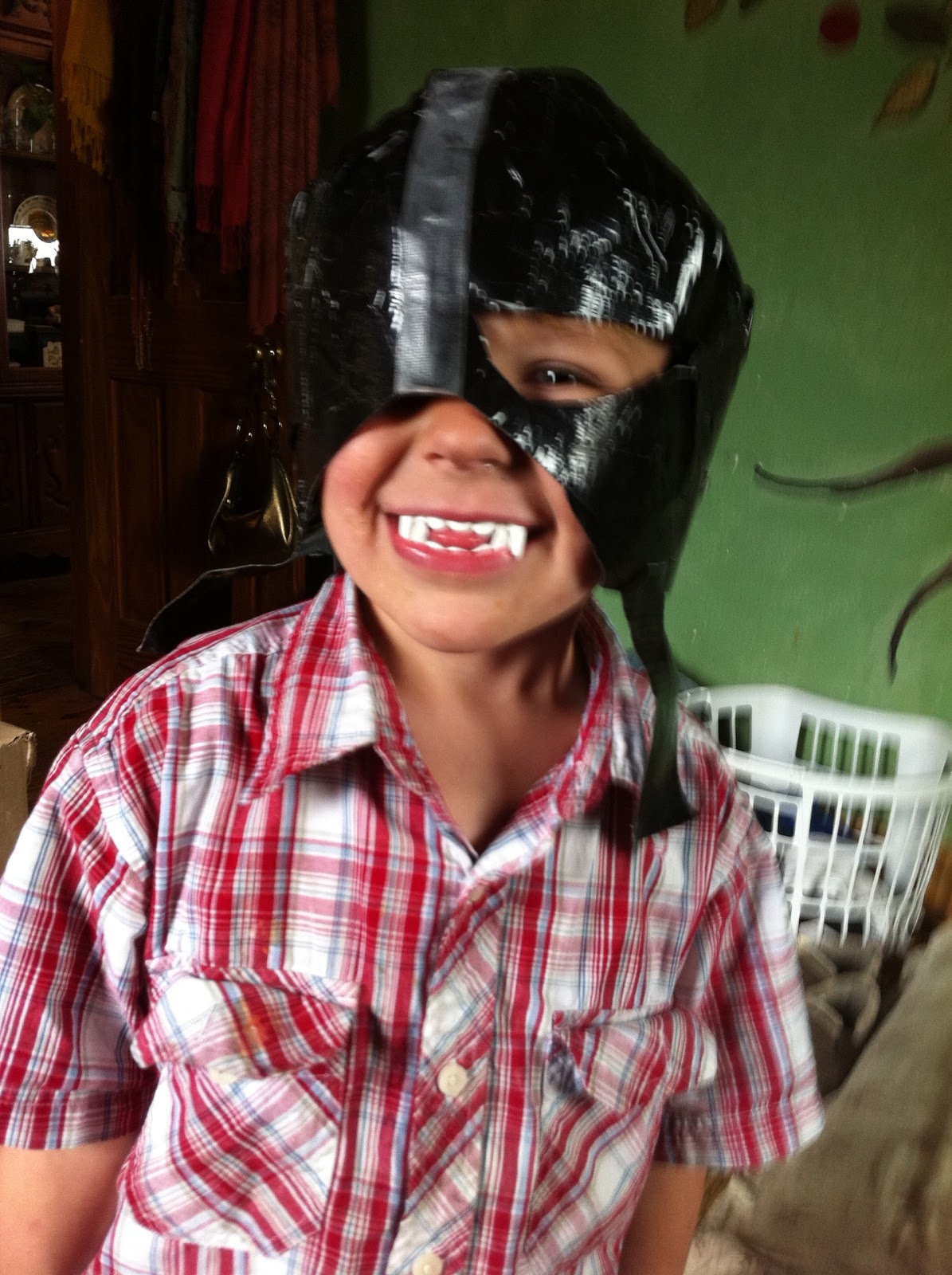
Made duck tape masks

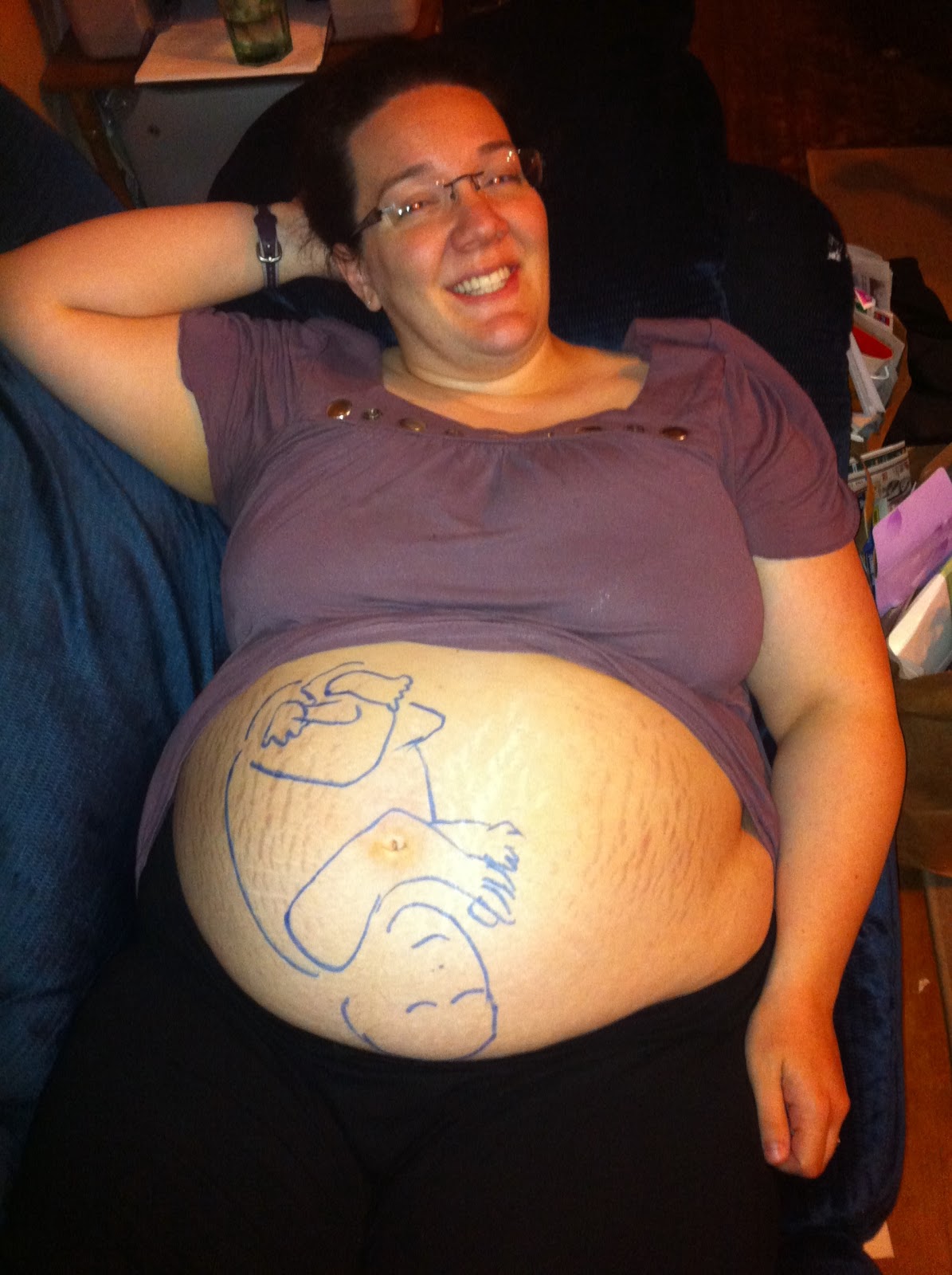
Drew babies

Took pictures at the Putnam museum
Played with Fenris
Dyed silks

and yarn

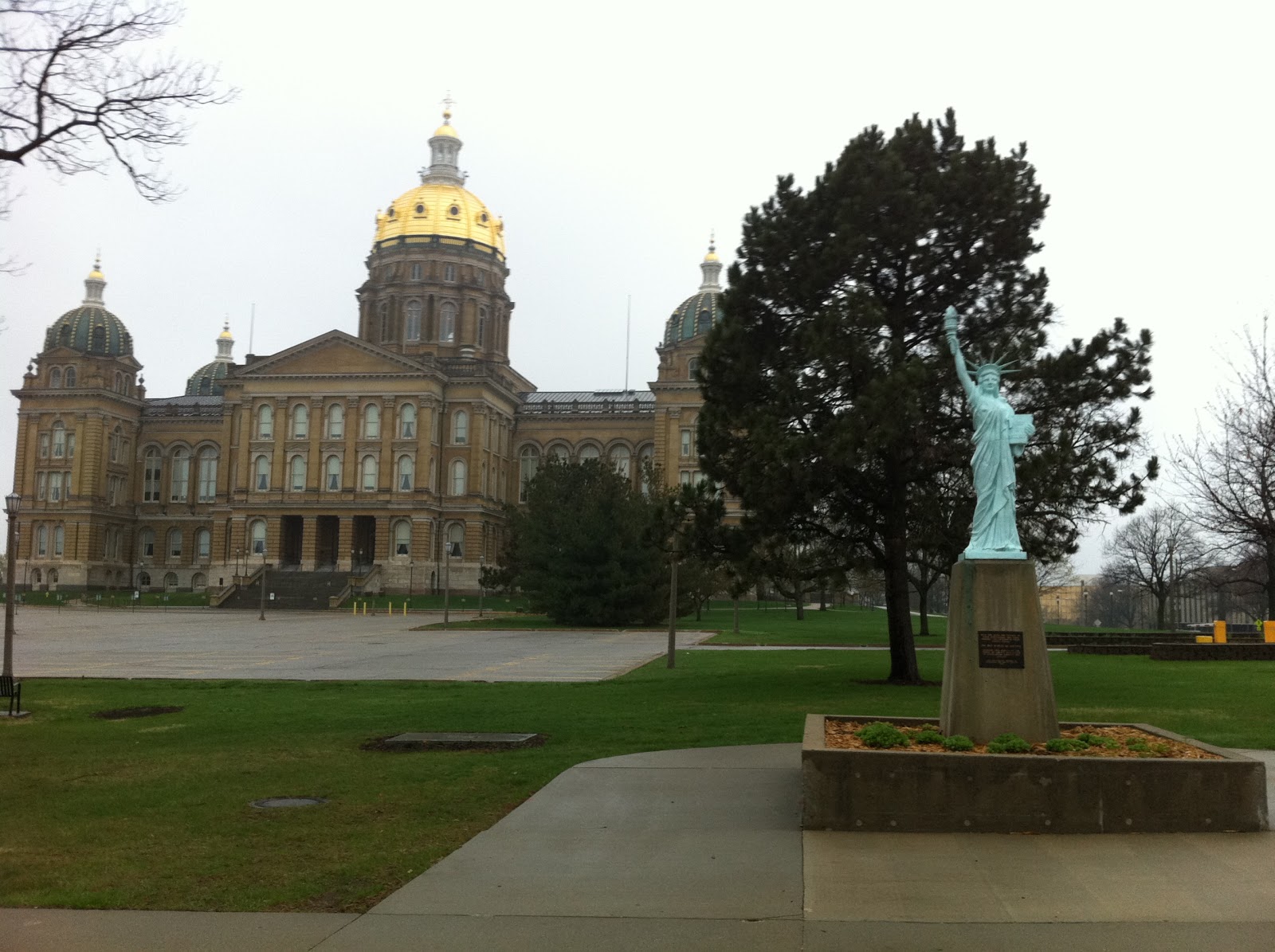
Visited the capitol in Des Moines

Attended the American Atheist National Convention

Made new friends
while wearing the coachella sweater I finished!
Listened to audio books
 Met our 20,000 new pets

fed and housed them
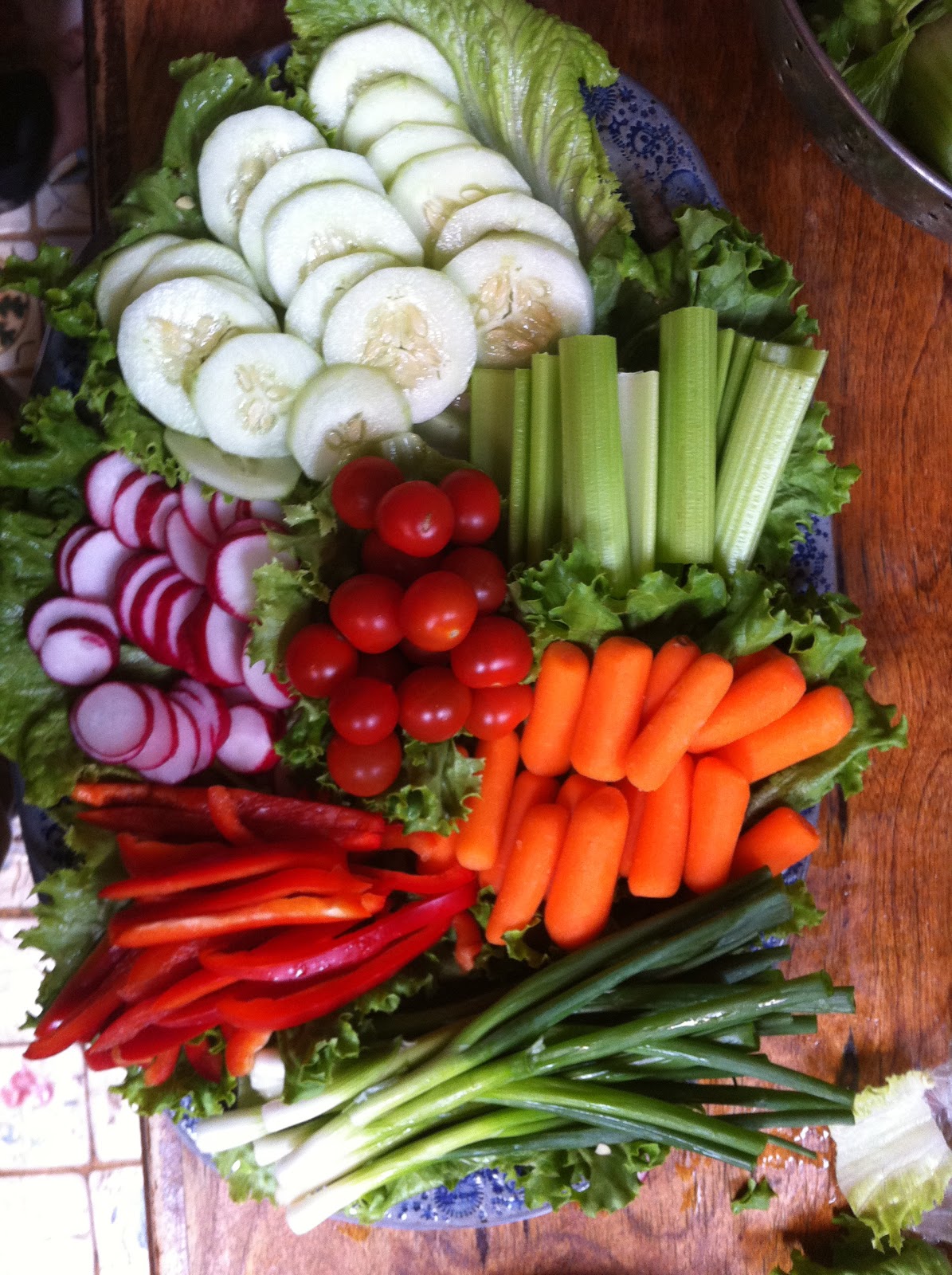
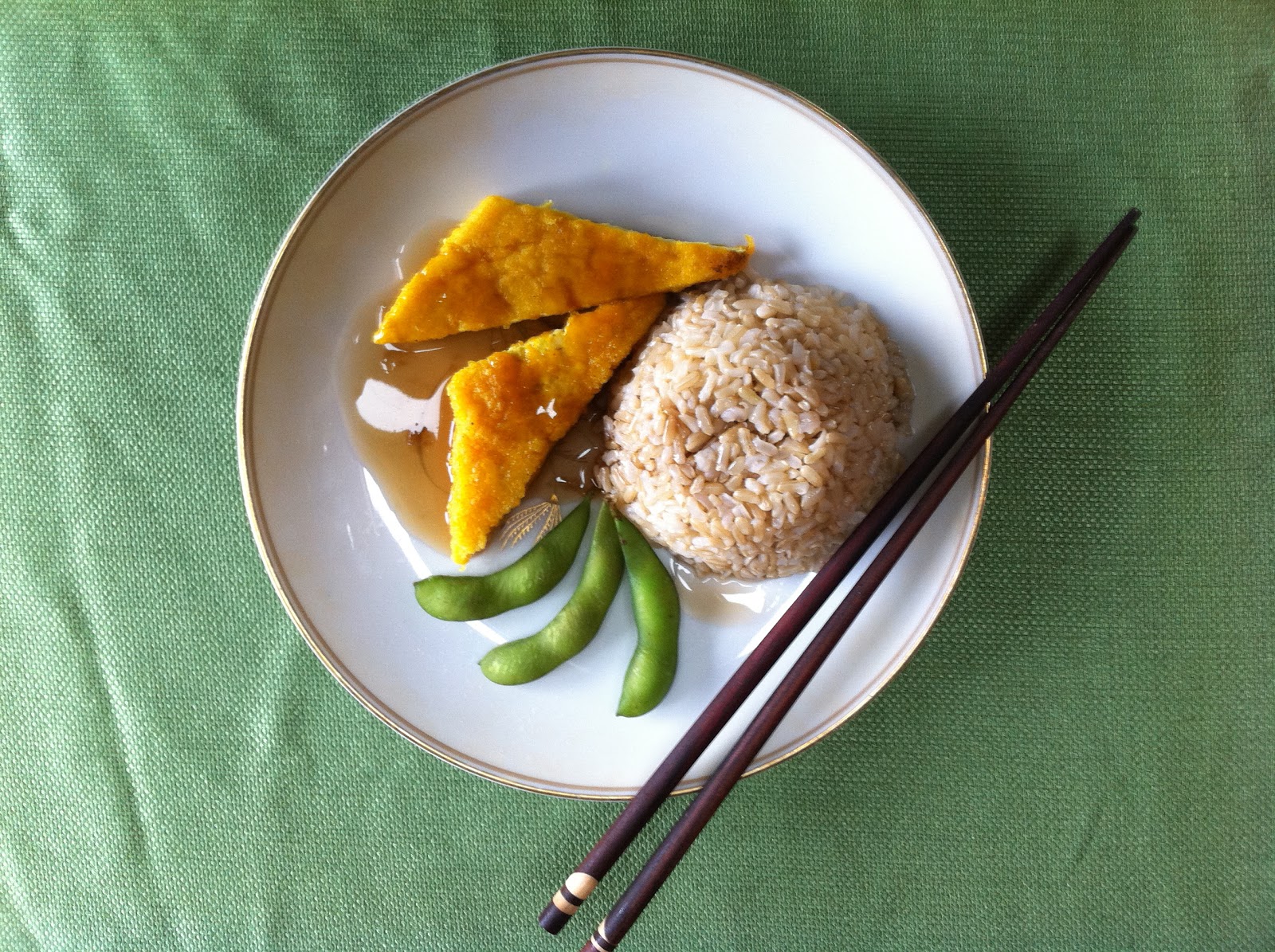
practiced food presentation
And cooked of course!

How did your families’ screen free week go?

Screen Free Week, April 18 – 24

Kill Your Television!

  I am gearing up for Screen Free Week. I am excited and nervous. Excited to get the damn screens out of the living room, nervous about not blogging and checking facebook.

  I know my children will have no problem with it. We have been TV/screen less off and on for many years. And with the beautiful weather they’ll be playing outside a lot! We’re secretly buying a few new toys to restock our supplies – Tinker Toys, Lincoln Logs, and art supplies, in case we get a rainy day.

  It will help that we have a busy week planned too. A field trip to the museum’s Titanic display, Waldorf homeschool silk dying day, book club, 20,000 bees and the American Atheist National Conference.

   I have been listening to the lectures on Feed.Play.Love. A Virtual Conference. Some of the first ones were, well, uninspirational. But this week two really stood out: Media Impact and Child Development, a Realistic View with Kim John Payne and Dr. Thomas Cooper and Where Anything can be Anything: Fostering Creativity in Your Child  with Sharifa Oppenheimer. They discuss how parents don’t want their children to be bored, but boredom is a gift. It is the gateway to creativity. And we often give in just before the creativity happens. As a parent of 7, I really enjoyed being reminded that sometimes the bridge between boredom and creativity is sibling torture. 🙂 I enjoyed the concept of Original Thought. How much original thought do we have? How much original thought does our child have? Are they only re-enacting what they see on TV? Singing commercial jingles? We put so much stress on IQ that we forget about “EQ” – emotional quotient. How to deal with other people in an honest way.

  The American Academy of Pediatrics is pretty clear about screen time. Spending more than two hours a day in front of a screen is detrimental to your child’s (and your!) physical, psychological and emotional health. Yes, screens include ipads. These are not “crazy hippies” making these claims. In fact, the AAP finds:

The sheer amount of time spent in front of a screen does not engage active thinking or playing, creative pursuits, or talking in-depth with family and friends.

 Media exposure at a young age (birth through age 2) often substitutes for important parent/caregiver/child activities that encourage early brain development, such as playing, singing, and reading.The American Academy of Pediatrics strongly recommends reading to children every day, starting after they are first born. Reading stimulates the development of the brain, language and a closer emotional relationship with a child.


Studies show a relationship between excessive TV viewing and declining school performance, particularly in reading and comprehension skills.


Viewers of media violence may engage in violent or aggressive behavior, become desensitized to violence, or experience the world as a scary, dangerous place. Media violence also can increase a young person’s appetite for violence in entertainment and in real life.

Children and adolescents may learn and incorporate some of powerful myths and stereotypes about people from what  they see on screen. 

Heavy media exposure may contribute to a “culture of disrespect” — intolerance, stereotyping, ridiculing, and bullying, which includes pushing, shoving, hitting, and kicking.


Children and adolescents get all kinds of messages about tobacco, alcohol, and illicit drug use through media, mainly that such substance use is normative and/or associated with excitement and glamour. These images and messages may shape young people’s accepting attitudes and behaviors toward smoking, drinking, and illicit drug use.


Studies have shown obesity in children — a very prevalent health problem — to be associated with heavy TV viewing. The most commonly advertised foods on TV during children’s programming are typically high in sugar, salt, and fat.


Media advertising and commercialism entice people by using powerful visual images and audio effects. This can be compelling, especially for children under the age of 8, because, developmentally, they are unable to understand the true intent of commercials and advertising — which is to get them or their parents to buy a product. Children are also frequent targets of product merchandising for new movies, TV shows, and musical groups.

  This applies to “educational” screen time as well! Just this week the Center for a Commercial Free Childhood filed a Federal Trade Commission complaint against Your Baby Can Read!, a video series that encourages parents to put infants as young as three months in front of screens. The complaint is part of their ongoing campaign to support parents’ efforts to raise healthy babies by stopping the false and deceptive marketing of “educational” baby videos.

  Children learn best from adults. That’s one of the reasons I homeschool. I want to teach my child the ABCs. Not have “Fish School” teach her. (I don’t actually teach my children the ABCs, they seem to just learn it , like walking…)


Remember :

◆ All media messages are constructed — and are constructed for some purpose.
◆ Media messages shape our understanding of the world.
◆ Each person interprets media messages uniquely.
◆ Mass media are often driven by powerful economic and political forces.

What do you have planned for Screen Free Week 2011?

  You can learn more at the Screen Free Week website, facebook page and RSVP at their event page. You can even register your family!

Authentic Paganisms, Part 1

     This is going to be controversial, so buckle up.

     To define “authenticity” in paganism, I mean (now bear with me here) “contextual cognitive resonance” in our practices, rituals, and traditions.  That means that our rituals, our practices, our stories, are grounded in and informed by the here and now.  That when your Paganism is seamlessly embedded with the rest of your life, then your Paganism is authentic. 
     Conversely, I mean that the more you have to screw your eyes shut and pretend, or envision yourself at Stonehenge, or ignore “Mundania”, to practice your Paganism, the more inauthentic it is, and the more difficult it will be to hand your traditions down to your children. 
     When you turn your back on the Mississippi River to face west to call “Water”, this is inauthentic
     When  you are only Pagan on coven night, or at gatherings, this is inauthentic.  (Good on you if your taking your kids along, though.)
     If we want a religion that our children will be proud to carry on, we must strive for more authenticity, at our holidays, at bedtime, for our rites of passage, in our values, our liturgy, our stories.  We must create a deeper and richer Pagan culture.  Uncle Gerald didn’t anticipate ANY of this, and it’s high time we started sinking our religious roots, right here, right now. 
    

Waiting for Bees

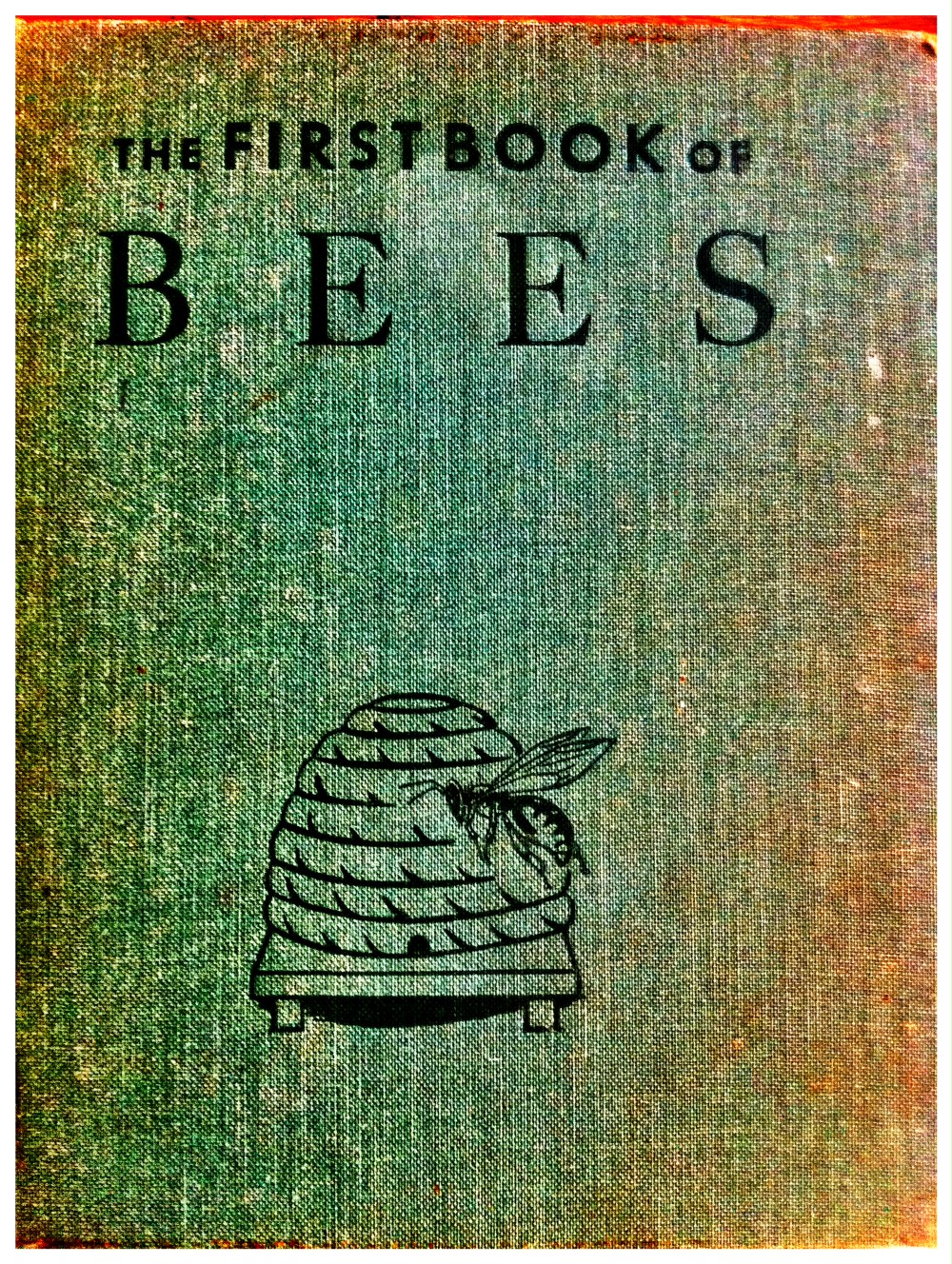
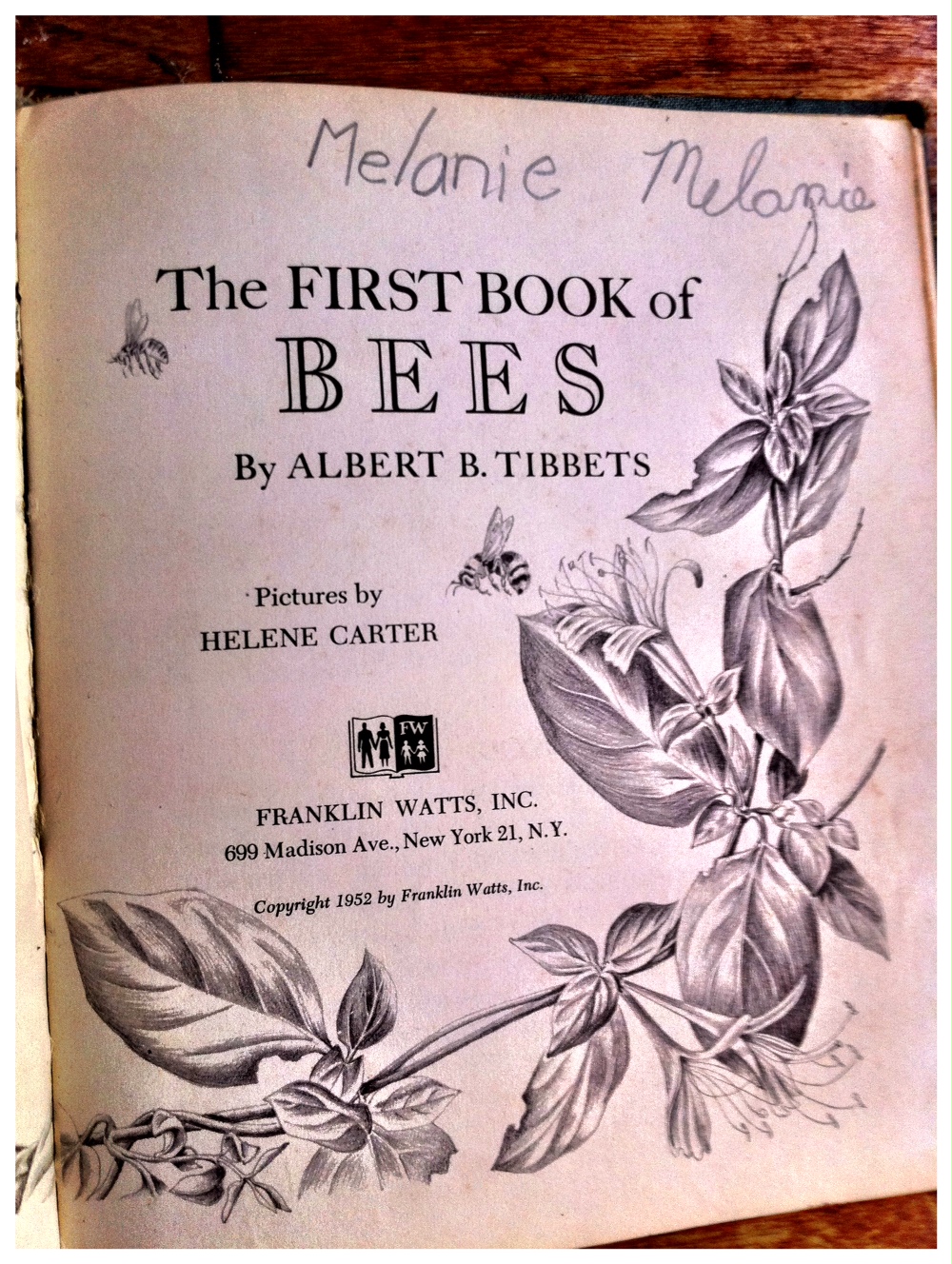
 I have wanted to be a bee keeper for as long as I can remember. I bought this book when I was seven years old.

  We bought bees when we first moved out to the country. We have had from 1 to 3 hives at a time. But the last few years I have slacked off on my bee keeping. Doing only the bare minimum needed to keep our last hive going. Honestly, they don’t need much!

  So this year we ordered two new bee packages from Ebert Honey. They will arrive April 22. Today I started getting their new homes ready!

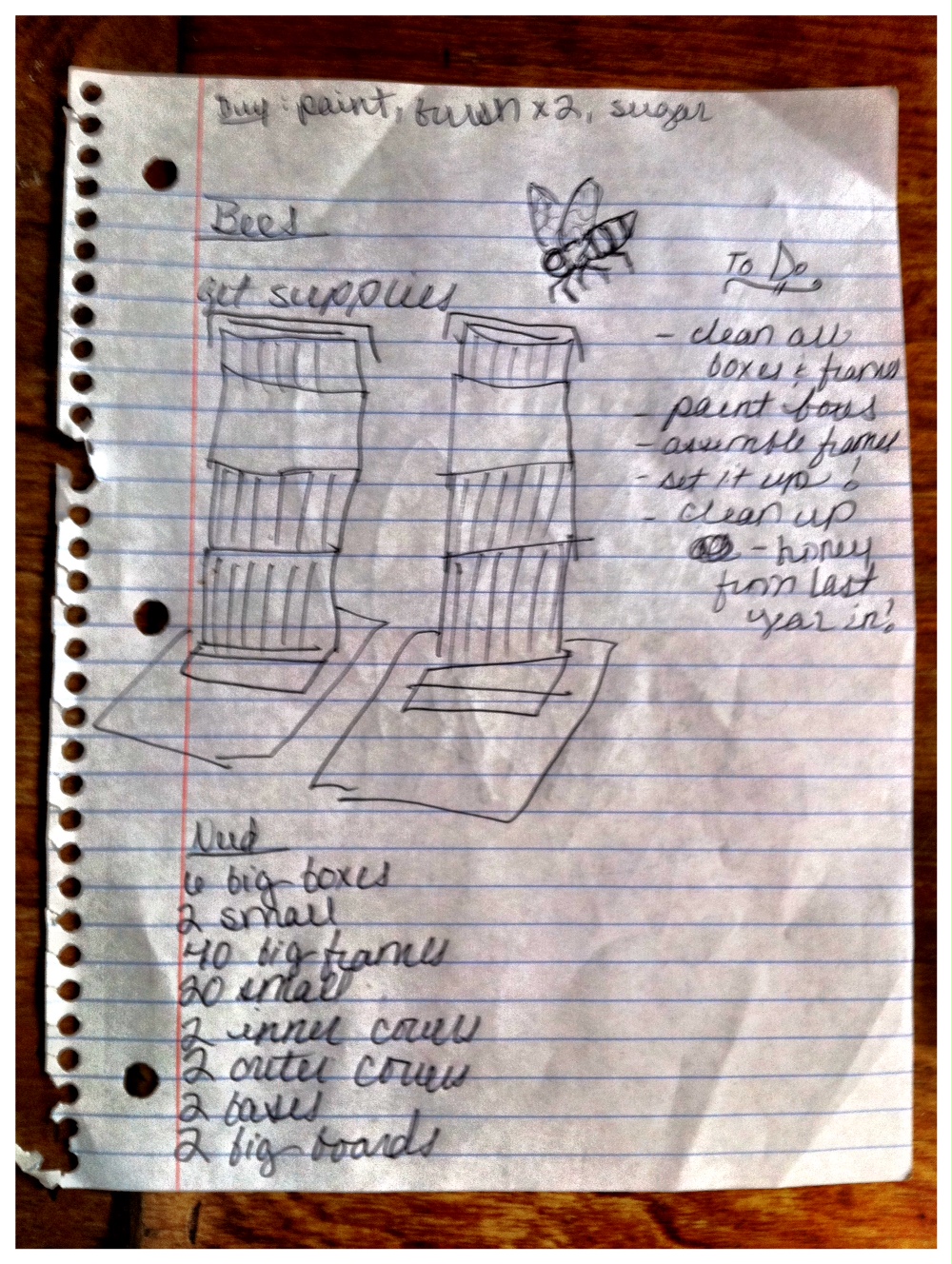
My to – do list

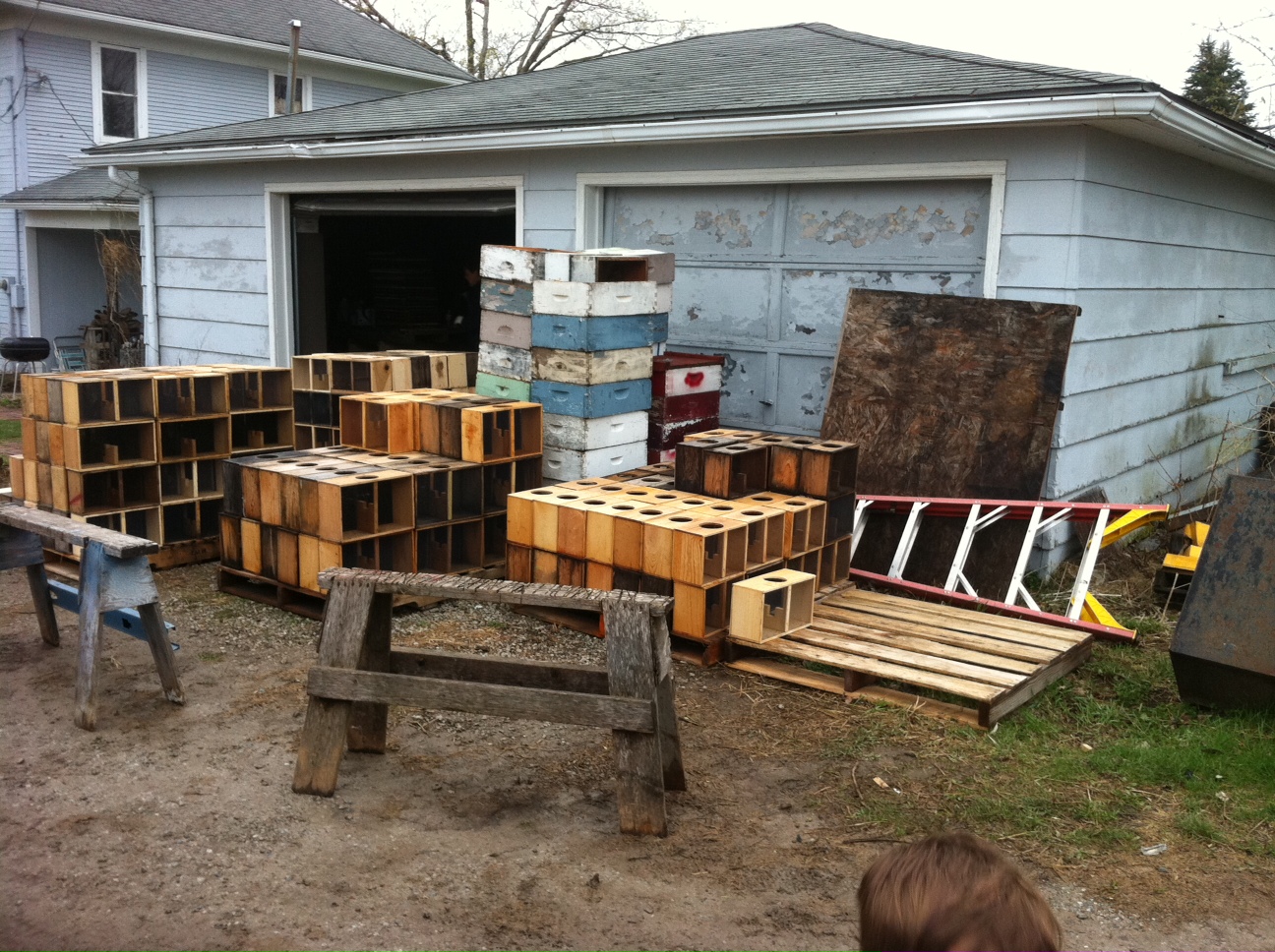
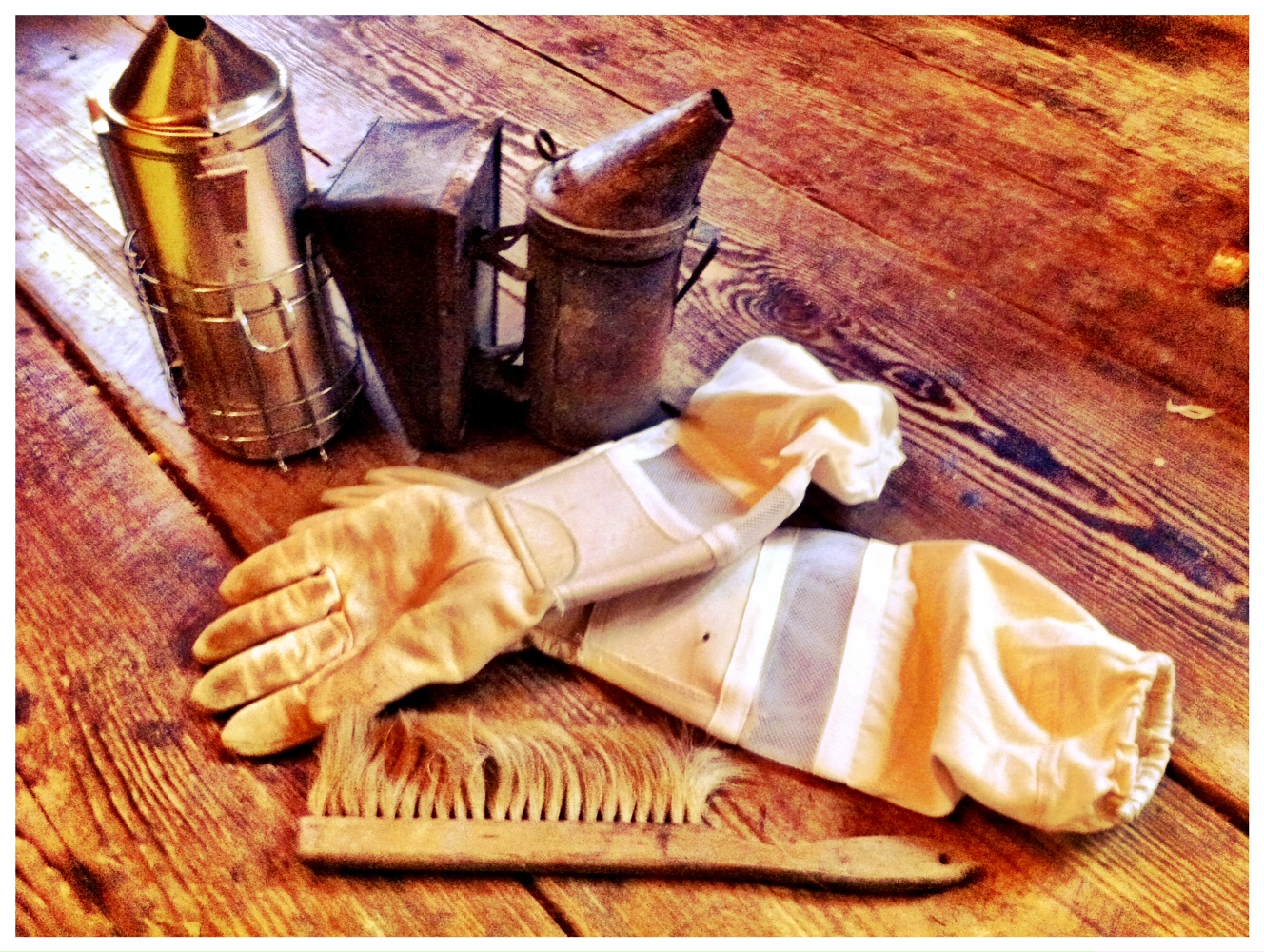
Gathering and checking the equipment.

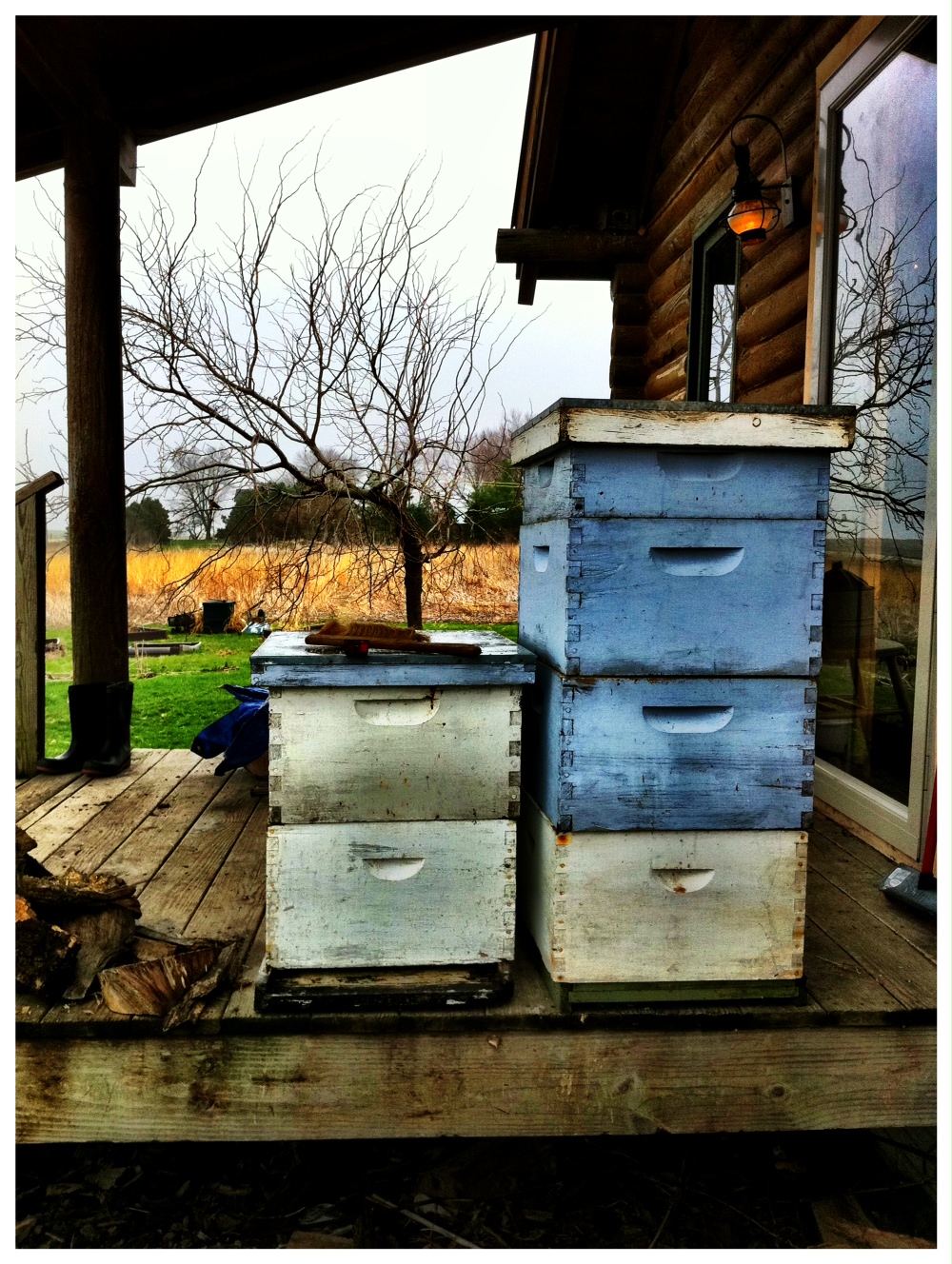
The old hives, waiting for make overs.

The chosen boxes, in the staging area

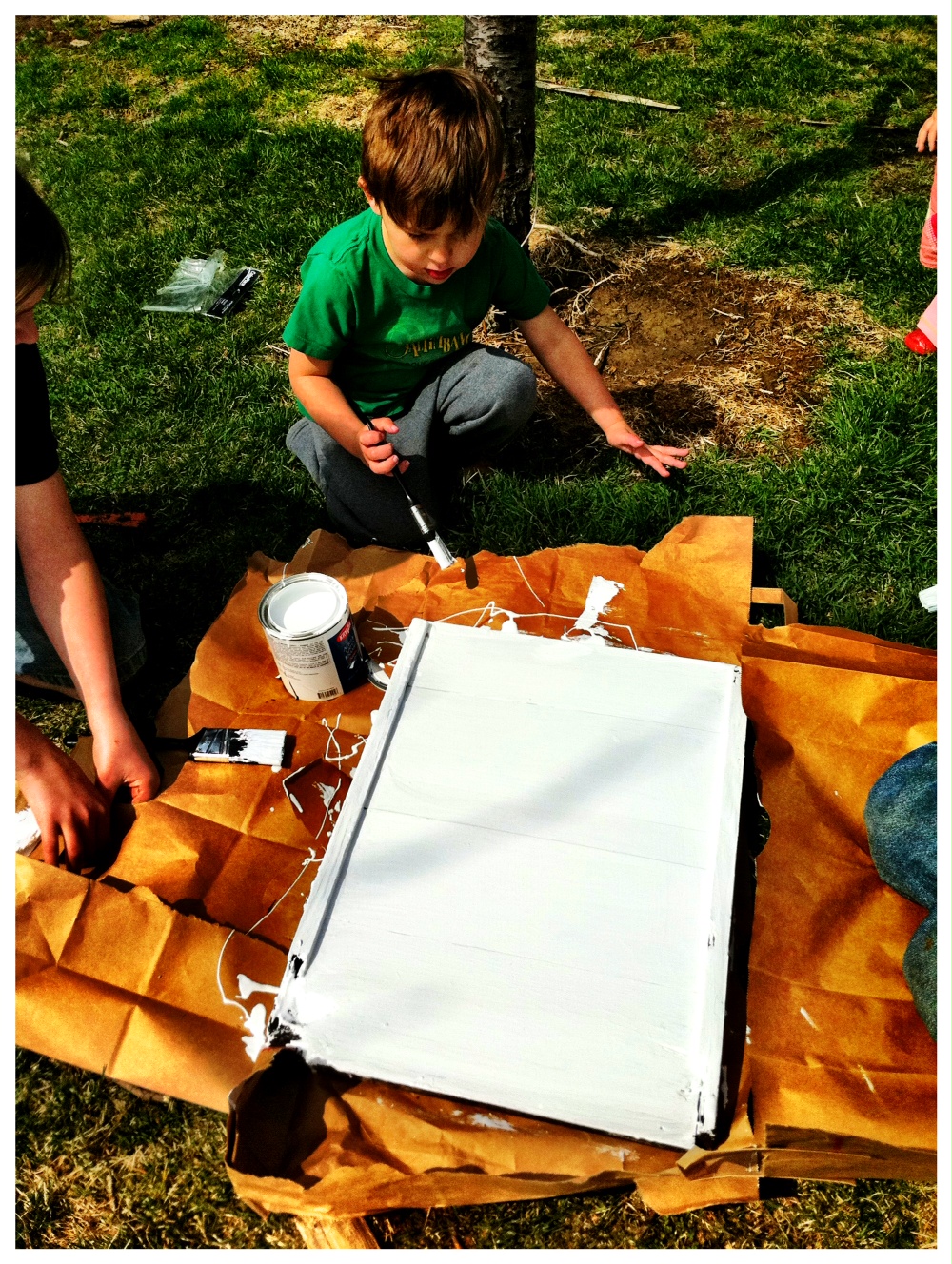
Painting the base.

Strong for the revolution. 

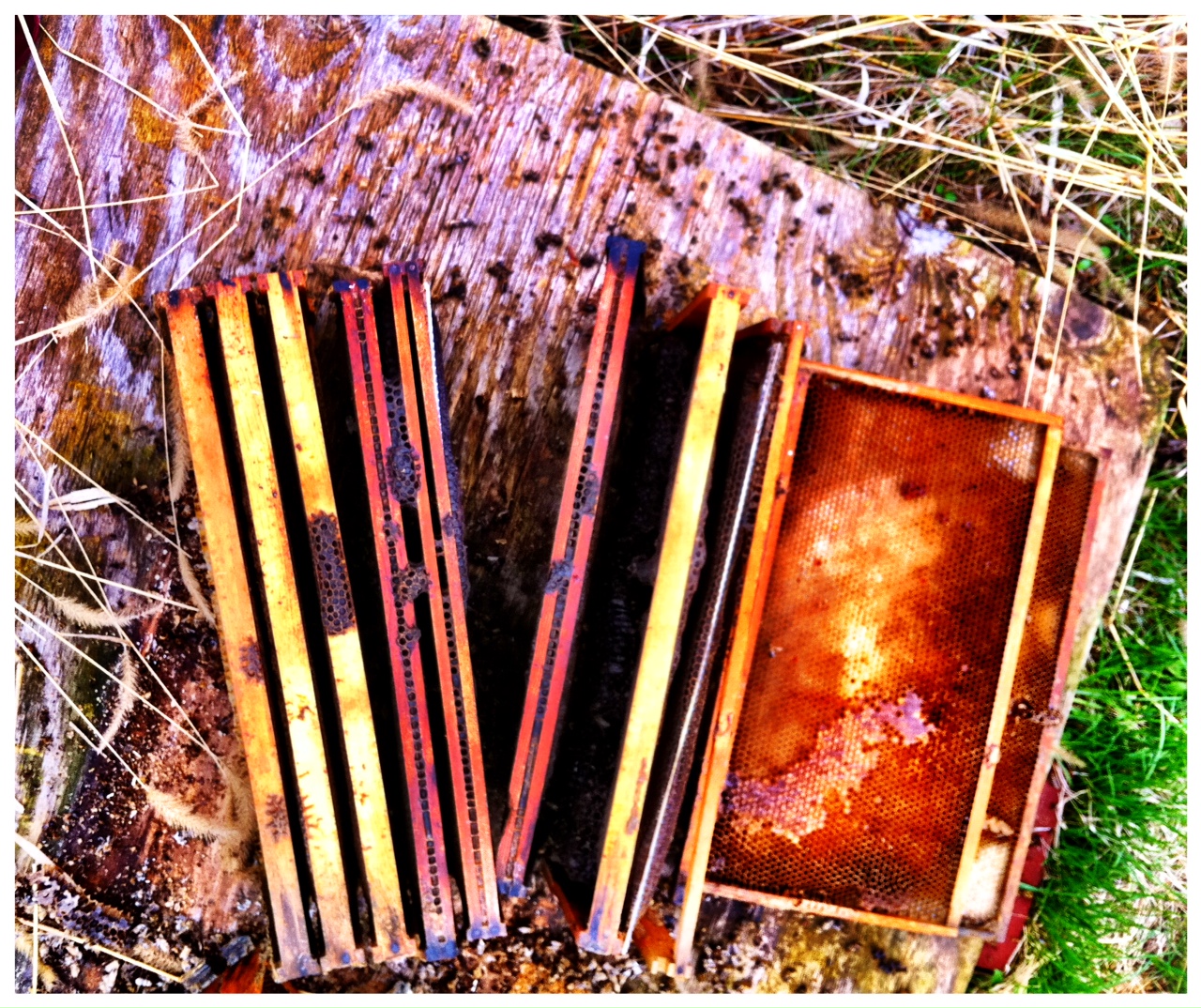
Old frames to be scraped, re-wired and waxed.

I had hoped to do a tutorial, but there are so many already available! Just do a google search for “How To Keep Bees”. My favorite book on the topic is A Book of Bees by Sue Hubbell. You should read it, and any other book by her, even if you aren’t a beekeeper!
  While scraping the frames I cut myself pretty good. I know I should wear work gloves, but then I can’t feel anything. When I stuck my finger in my mouth it tasted like blood and honey, and I thought, cool coven name….

  There’s a lot left to do, but we got a good head start today.

"We Are Not Yet the Pagans We Need to Become": An Interview with Steven Posch

I met my friend and teacher, Steven Posch at a Pagan gathering in 1999.  Steven lives on the bleeding edge of Pagan theological discourse, and is one of the best-kept secrets of our religion.  His revised book, Lost Gods of the Witches, will be in print this Summer.
-Chris

When did you “become” a Pagan?
Oh, I’ve always been pagan. Your quotation marks capture the idea perfectly: all human beings are born pagan. Whenever we’re left to our own devices, to figure out who we are and how we are in the world, who we are and what we do is by definition pagan. Everyone is born pagan; anything else, one needs to be made into.
What books do you think all Pagans should read?
For years I’ve been telling people, “You can learn everything you need to know about
paganism by reading the novels of Mary Renault and Rosemary Sutcliff.” How to think
like a pagan, how to do good ritual, what paganism looks like from the inside….It’s all right there. Especially Sutcliff. What Mary Renault was to Classical Greece, Rosemary Sutcliff was to ancient Britain. Her Arthurian novel, Sword at Sunset, has the single best literary portrayal of the witches’ sabbat that I know of, recontextualized to Dark Age Britain in an utterly convincing manner. Absolutely amazing. Anyone that loves the Horned One simply must read Nigel Jackson’s Masks of
Misrule, the single best book there is about the god of the witches. And as for Herself, well, you can’t do better than Robert Graves’ The White Goddess. It’s a prophetic book,and I mean that literally. An easy book, no. But if I had to pick 13 books to take with me to the desert island White Goddess would be on the list. Near the top, in fact. As for the rest…well, there shouldn’t be a pagan bookshelf in America—oranywhere else for that matter—without books about the local flora, fauna, and birds. All real paganism is by definition local.

Do you belong to a coven? Tell us more, if you can.
Last autumn evenday (=equinox) my group Prodea celebrated its 30th anniversary. The
three founding members—Magenta Griffith, Kay Schoenwetter, and myself—are still
actively engaged; there are 8 of us altogether. After 30 years together, we’ve basically become our own Fam Trad. We started off way back when as the Brash Young Things in town that shocked the Old Guard traditionalists because we didn’t cast circles, call quarters, or believe in male-female polarity, but we still got our share of grudging respect for the quality of our work. Now we’ve become one of the Grand Old Groups of Paganistan. Ah, life and its little ironies. I have to admit, I thoroughly enjoy showing us off to visitors. After three decades together, we’ve accumulated a vast repertoire of songs, stories, rituals, traditions, foods,
customs. We’re culture-rich, something for which there’s a great hunger in the pagan
community right now. I’ve even started to see the down side of tradition. With so much history behind us, it’s always easier to go with something we’ve done before that we know will work, than to take a chance on something new that may or may not work. That doesn’t stop us, though. Now we’re the Brash Old Things.
How do you think the Paganism of the 80’s compares to paganism of the “Now”?
Sometimes I feel a little nostalgic for those days, I admit. We were completely on fire with it all; it all seemed so new and daring, so world-changing. (Myself, I still feel that way, but collectively I think we’ve come to take things largely for granted.) Back then we were convinced that we were going to transform everything, to take over the world. And lo and behold, 30-odd years on, we actually have taken over the world. The culture-wars have been won, and we’ve won them; the rightist backlash is all rear-guard action now, to be sure. They’ve already lost, and they know it.
Paganism has changed a lot since then; in many ways, we’ve finally started to
grow up, thank the Goddess. Lately the pagan intelligentsia has actually been talking
about issues of “authenticity”; I’m so proud that we’ve reached the point at which we can have an honest conversation on such a topic. Still, it sometimes annoys me that we’ve become so blasted wholesome. Last November a friend sent me Starhawk’s Samhain-for-cowans essay, all meditation and profound spiritual experiences. I thought, Ye gods, whatever happened to schmeering on the dwale, flying off to the Bald Mountain, and (can I say this in a family blog?) s***ing the Devil’s hairy c*** until the rooster crows? Now that’s what I call real witchin’.

Tell me about the Old Gods.
Well, back in the springtime of things, when Earth was a girl, she couldn’t decide which she loved better, Sun or Storm. So she took them both to husband. Twin sons to twin fathers she bore: Plant and Animal, the Green God and the Red, him we call the Horned One. They both fell in love with Moon, and when Old Hornie died (but that’s another story) they say she went down into death after him. Then when she came back she was pregnant, and that’s where our kind comes from, the witches. Oh yeah, and then there’s Sea, of course, and the Winds, and Fire—the old people say he’s the youngest of them all, and—well, that’s just the Really Big Ones. Then there’s River and Mountain and…. Witch mythology is just as rich as any of the other great mythologies: Greek, Hindu, Yoruba. Did you know that the Craft has a sacred mountain, our version of Mt. Olympos or Kailash? Did you know that the witches’ god has green eyes? (“Old Emerald Eyes” they call him.) Why is the traditional witch’s necklace made from amber and jet? Why do athames have black handles? It’s all right there in the Received Tradition: veritable treasure-trove for those willing to hunt it out.You shouldn’t have to read books to know about the gods. In fact, we all already know them; we cannot not know them. The Old Gods are the ones our ancestors used worship, way back when, and that’s true regardless of who your ancestors were or where they came from. Already long ago, the Old Gods had started to be elbowed into the background by Younger Gods—gods of war, goddesses of love—but they’ve never gone away (how could they?), and they’re still there, freely accessible to us all. To be sure, they’re the Greater Powers: they’re wild, they’re scary, and they’ll never be tamed, the witches have held to them all along; that’s one reason why people feared us even back in pagan times. Wild witches, wild gods: baby, lemme at ‘em. The Old Ones hold us all together across tribes, across traditions. The Younger
Gods by their very nature vary from tradition to tradition, but the Old Gods we all have in common. Hey, the Old Gods are so all-pervasive that even the monotheists worship one: Sky. A god you can’t see: go figure.

How do you think Pagan families fit in to the current Pagan culture?
Things sure have changed for the better since the old days, when there were no pagan
families and nobody raised their kids pagan. Whatever were we thinking? That said, there sure is a lot of room for improvement. The “Sunday school” model of teaching paganism doesn’t work. The best way to learn this stuff is by immersion. One doesn’t learn the Old Stuff by being lectured at in class; one learns by watching and asking questions, by participating and by taking it for granted until you meet someone else that does things differently. I hate condescending, dumbed-down “kid’s rituals.” We should be bringing the kids to the grown-up rituals. So what if they don’t understand everything they see? Maybe it will spark something in them, get them asking questions. And if our rituals are so dull that the kids are bored, then the grown-ups are probably bored, too. And if the grown-ups are bored, then the gods are probably bored too. And that means we need to rethink how we’re doing ritual and start doing something better. We need the kids to keep us honest. If we really love the Old Religions and want them to continue after us, we’ve got to engage the kids. And the very best way we can do that is to make for ourselves a pagan culture that covers all of life, and that’s so vibrant, so engaging, and so desirable that the kids will come to it and take ownership of their own accord.

Any tips for Pagan parents?
You gotta live it yourself. Pagan can’t just be what you do in circle at full Moon; it needs to be full time, 24/7/365, because you can’t gull kids. They’ll see the gap between what you say and what you do every time. Authentic paganism isn’t just a religion; it’s a culture. Kids need to grow up with the songs, the stories, the foods, the holidays. All this gives texture, richness, a sense of identity: just what everyone in America longs for. To give it to our kids, we have to have it ourselves, and if we don’t have it, it’s time to talk to someone that does. As they say, there’s no rest for the Wicca.

What do you think is the function of Pagan festivals?
Festivals are the seedbeds of the pagan cultures of the future. They’re our opportunity here-and-now to live full-time in pagan culture, and we need to take the lessons that we learn there and bring them back home with us to help us build our own local communities. On a historical note, I want to add that pagan festivals got their start right here in the Midwest. Let’s face it, America is the center of world Pagandom, and the center of American Pagandom is right here in the Midwest. The Pagan Heartland: that’s us.
What do you see in the Pagan future?
Hallmark sabbat cards. PNN. (Nobody said it was all going to be good.) In the cities,
pagan neighborhoods. Public shrines. We’re going to have holy places again, just like
they did in the Old Days. (If you don’t know where your local holy places are, it’s time to start looking.) We’re going to start raising standing stones again. I contend that pagans are actually an emergent ethnic group in the US. We won’t be a majority for the foreseeable future, but we’ll continue to exercise cultural clout in excess of our numbers because what we bring to the conversation is so different, so compelling, and so self- authenticating.
The past was pagan. Modern human beings have been around for how long? 250,000 years or so? From available evidence, we’ve been pagan that whole time. By comparison, anything else is the merest blip. Folks, the future is pagan, and the paganisms of the future are going to be based on what we do right now. That’s why we’ve got to work our butts off to get it right, and why only the very best that we can achieve is good enough. As Socrates said: If you want to understand the gods, look at
excellence.
Steven Posch is the keeper of the Minnesota Ooser, and one of the Twin Cities’ foremost men-in-black.